How to Prevent Costly Plumbing Repairs
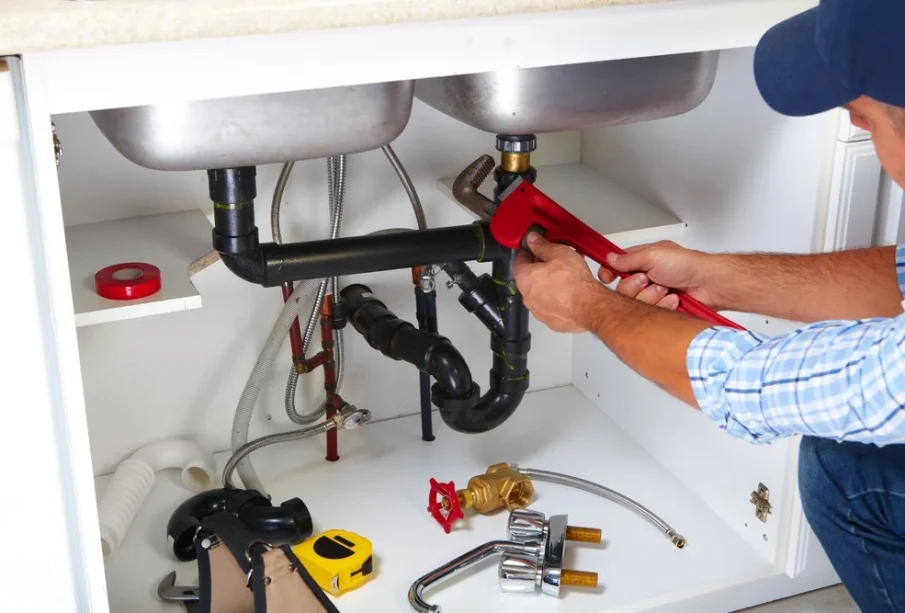
Plumbing repairs can become expensive quickly when small issues are ignored. Most major failures—burst pipes, water damage, blocked drains, or fixture breakdowns—start as minor problems that could have been prevented with simple maintenance habits. By following practical inspection routines and smart usage practices, homeowners can reduce repair risks and extend the life of their plumbing systems.
Preventive care not only saves money but also protects your property from structural damage and unexpected emergencies.
Understand the Most Common Causes of Plumbing Damage
Knowing what typically leads to repairs helps you stop problems early.
Frequent causes include:
- Hidden pipe leaks
- Drain blockages
- High water pressure
- Corrosion inside pipes
- Improper disposal habits
- Aging plumbing fixtures
Addressing these risks early prevents costly replacements later.
Check for Leaks Regularly
Even small leaks can waste large amounts of water and weaken surrounding structures over time.
Inspect these areas monthly:
- Under sinks
- Around toilets
- Near washing machines
- Beneath water heaters
- Around outdoor taps
Signs to watch for include:
- Damp cabinets
- Musty smells
- Water stains
- Increased water bills
Early detection is one of the most effective prevention strategies.
Avoid Pouring Grease Down Drains
Kitchen drains often clog because of improper disposal habits.
Never pour:
- Cooking oil
- Butter or fat
- Food scraps
- Coffee grounds
Instead:
- Let grease cool before discarding
- Use sink strainers
- Dispose of waste in sealed containers
These small habits significantly reduce blockage risks.
Monitor Water Pressure Levels
High water pressure may feel convenient but quietly damages plumbing components.
Excess pressure can:
- Crack pipes
- Damage valves
- Shorten appliance lifespan
- Cause hidden leaks
Ideal household pressure typically stays between 40 and 60 psi. Installing a pressure regulator helps maintain safe levels.
Protect Pipes From Corrosion
Over time, pipes weaken due to mineral buildup and internal wear.
To reduce corrosion risk:
- Check exposed pipes annually
- Replace aging metal piping when necessary
- Install water softeners in hard-water regions
- Watch for discoloration in tap water
Preventing corrosion avoids unexpected pipe bursts.
Clean Drains Before They Become Blocked 🧼
Routine cleaning keeps water flowing efficiently.
Simple preventive methods include:
- Flushing drains with hot water weekly
- Using natural cleaning solutions occasionally
- Removing visible debris from drain covers
Avoid harsh chemical cleaners, as they may weaken pipe materials over time.
Maintain Your Water Heater Properly
Water heaters often fail without warning if neglected.
Helpful maintenance steps:
- Flush sediment annually
- Check for rust around fittings
- Inspect pressure relief valves
- Monitor unusual noises
Regular servicing improves performance and extends equipment life.
Insulate Exposed Pipes
Temperature changes can stress plumbing systems.
Pipe insulation helps:
- Prevent freezing in colder months
- Reduce condensation
- Improve energy efficiency
- Extend pipe durability
Insulating pipes in basements, storage areas, and exterior walls is especially beneficial.
Use Fixtures and Appliances Correctly
Misuse is a major contributor to plumbing damage.
Best practices include:
- Avoid overloading washing machines
- Run dishwashers with proper detergent levels
- Fix dripping taps promptly
- Use toilets only for approved waste
Correct usage protects pipes from unnecessary strain.
Schedule Periodic Professional Inspections 👨🔧
Even well-maintained systems benefit from expert evaluation.
Professional inspections can detect:
- Hidden leaks
- Pressure irregularities
- Early corrosion signs
- Drainline buildup
- Aging connections
Annual inspections often prevent emergencies before they begin.
Know Where Your Main Shut-Off Valve Is Located
In emergencies, quick action minimizes damage.
Every household member should know:
- Valve location
- How to turn it off
- When to use it
Immediate shut-off reduces water damage significantly during pipe failures.
Replace Old Plumbing Fixtures Before They Fail
Waiting until fixtures stop working often increases repair costs.
Consider replacing:
- Rusted faucets
- Worn hoses
- Old connectors
- Outdated valves
Upgrading early prevents unexpected breakdowns and water waste.
FAQ: How to Prevent Costly Plumbing Repairs
1. How often should plumbing systems be inspected at home?
A basic visual inspection every month and a professional check once per year helps identify issues early.
2. Can small leaks really increase repair costs later?
Yes. Minor leaks can damage cabinetry, flooring, insulation, and walls if ignored.
3. Are slow drains always a warning sign?
Slow drainage often indicates early blockage buildup that should be addressed before it worsens.
4. Does hard water affect plumbing systems?
Yes. Mineral deposits from hard water can clog pipes and reduce appliance efficiency over time.
5. Should flexible water supply hoses be replaced regularly?
Yes. Replacing them every few years reduces the risk of unexpected ruptures.
6. Is it necessary to maintain outdoor plumbing fixtures?
Yes. Outdoor taps and exposed pipes face weather-related wear and should be checked seasonally.
7. What is the safest way to prevent emergency plumbing damage while traveling?
Turn off the main water supply before leaving for extended periods to avoid unnoticed leaks or bursts.