How Weather Exposure Shapes the Lifespan of Exterior Openings
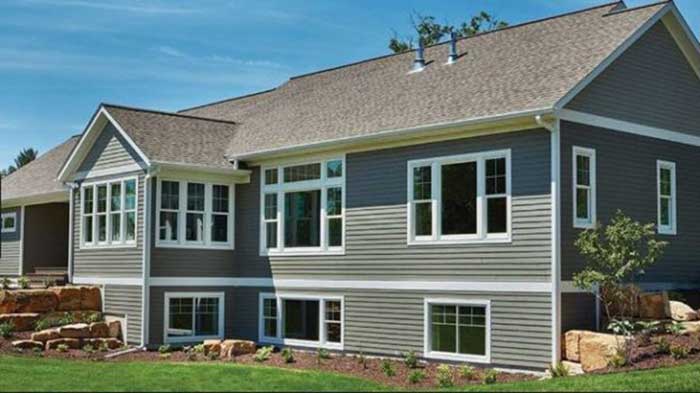
Every property is exposed to continuous environmental pressure. Rainfall, temperature variation, wind direction and seasonal moisture levels all influence how exterior materials perform over time. The durability and finish of windows and doors in Falkirk are directly shaped by these conditions, particularly in areas where changing weather patterns place repeated stress on structural elements.
Unlike internal features, exterior openings absorb constant movement and exposure. Even well constructed systems respond gradually to expansion, contraction and surface fatigue. Understanding how weather affects materials allows homeowners to make informed decisions about maintenance, upgrades and long-term reliability.
Temperature Fluctuation and Material Movement
Materials expand when warm and contract when cold. Over years of seasonal change, this movement affects alignment, sealing compression and surface stability. Timber responds to moisture variation, while uPVC and aluminium react more directly to temperature shifts.
Repeated cycles do not cause immediate failure, yet they influence how tightly components fit together. Subtle shifts can alter pressure across seals, which affects how consistently openings maintain airtightness and insulation performance.
Modern systems are engineered to accommodate movement through flexible sealing and stable reinforcement. When these features are correctly specified, they help preserve consistent operation despite environmental change.
Moisture Exposure and Surface Protection
Rainfall and humidity place ongoing demands on exterior finishes. Protective coatings shield underlying materials, but over time these layers experience gradual wear. Water that repeatedly contacts surfaces tests both durability and drainage design.
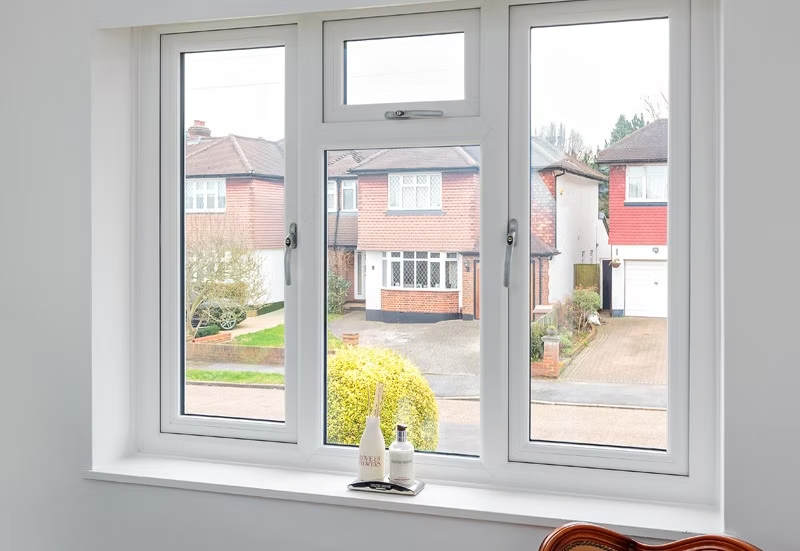
Good detailing encourages moisture to shed naturally rather than collect at junction points. Sloped thresholds, integrated drainage channels and well fitted seals all contribute to long term resilience. When water disperses effectively, materials maintain structural integrity for longer periods.
Regular inspection helps identify early surface fatigue. Addressing minor wear before it progresses supports continued performance without requiring extensive intervention.
Wind Pressure and Structural Stability
Wind introduces both surface pressure and vibration. Strong gusts create fluctuating force across openings, testing fixings and reinforcement. Over time, repeated pressure cycles can affect alignment if installation tolerances were insufficient.
Stable structural anchoring distributes load evenly, reducing strain on individual components. Proper fixing patterns and balanced support prevent distortion and maintain smooth operation.
Homes in more exposed locations often benefit from heavier specification and reinforced construction. Matching design strength to environmental demand improves long term durability and comfort.
Seasonal Shifts and Long-Term Performance
Weather patterns rarely remain consistent year to year. Colder winters, wetter seasons or warmer summers gradually influence how materials behave. Systems designed with adaptability in mind accommodate these shifts more effectively.
Maintaining surface condition, alignment and seal flexibility supports predictable performance throughout seasonal change. When exterior openings remain stable, indoor comfort and energy efficiency follow naturally.
By recognising how exposure shapes lifespan, homeowners can prioritise upgrades and maintenance decisions that preserve structural integrity while enhancing everyday comfort. Thoughtful specification combined with consistent care allows exterior elements to withstand environmental demands while maintaining both visual appeal and dependable operation over time.