Common Exterior Maintenance Mistakes Homeowners Make
Exterior maintenance protects your home from weather damage, structural issues, and costly repairs. However, many homeowners unintentionally overlook small warning signs or delay routine upkeep, which can lead to long-term problems. Recognizing common mistakes early helps preserve property value and keeps maintenance manageable throughout the year.
Why Exterior Maintenance Should Never Be Ignored
The exterior of a home acts as the first defense against rain, sunlight, wind, and temperature changes. When maintenance is delayed, small issues often escalate into expensive repairs.
Consistent upkeep helps:
- Prevent water intrusion
- Extend the lifespan of materials
- Improve energy efficiency
- Maintain structural safety
- Enhance curb appeal
Avoiding common mistakes ensures your home stays resilient year-round.
Ignoring Gutter Cleaning and Drainage Issues
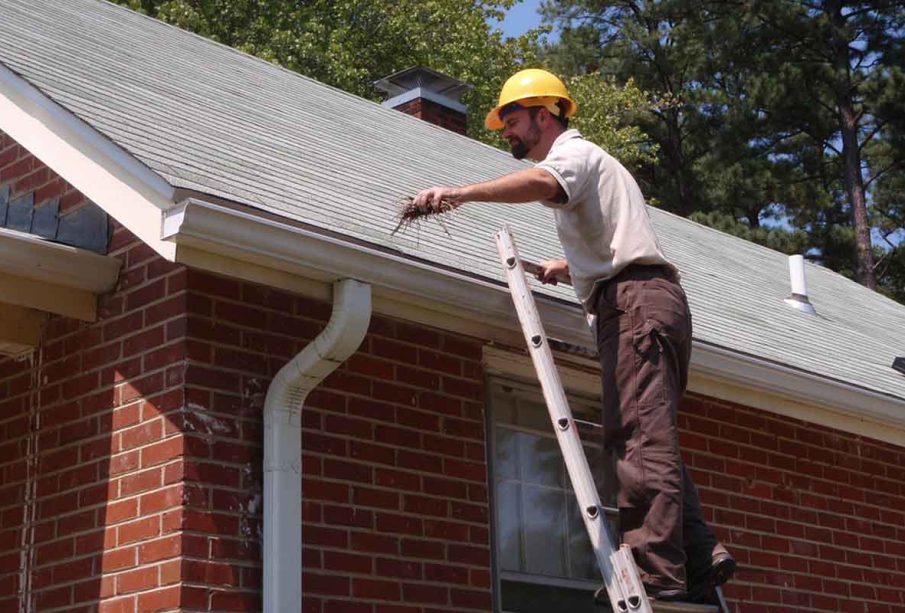
Clogged gutters are one of the most frequent maintenance oversights. When debris blocks water flow, moisture accumulates around foundations and roofing edges.
This can lead to:
- Roof leaks
- Wall staining
- Foundation cracks
- Landscape erosion
Cleaning gutters regularly prevents water-related structural damage.
Delaying Roof Inspections After Seasonal Changes
Many homeowners only check their roofs after visible damage appears. Seasonal weather can loosen shingles, create cracks, or weaken flashing.
Routine inspections help identify:
- Missing shingles
- Water pooling areas
- Moss growth
- Sealant deterioration
Early detection reduces repair costs significantly.
Neglecting Exterior Paint and Surface Protection 🎨
Exterior paint does more than improve appearance—it protects siding from moisture and sunlight.
Common mistakes include:
- Waiting too long between repainting cycles
- Ignoring peeling sections
- Skipping primer during touch-ups
- Using unsuitable paint for climate conditions
Proper surface protection extends siding durability.
Allowing Vegetation to Grow Too Close to the House 🌿
Overgrown plants may seem harmless but can trap moisture and damage walls.
Potential problems include:
- Pest entry points
- Mold development
- Blocked ventilation
- Root pressure near foundations
Maintaining proper clearance protects both structure and airflow.
Overlooking Window and Door Seal Maintenance
Seals around windows and doors weaken over time. When ignored, they allow moisture and drafts inside.
Signs of failing seals include:
- Rising energy bills
- Interior condensation
- Drafty rooms
- Visible cracking in caulking
Replacing worn sealant improves insulation performance.
Forgetting to Inspect the Foundation Regularly
Foundation issues often begin with small cracks that expand gradually if left untreated.
Routine checks should look for:
- Hairline cracks
- Uneven surfaces
- Water pooling near walls
- Soil shifting near the base
Early repairs prevent structural complications later.
Skipping Pressure Washing of Exterior Surfaces
Dirt buildup holds moisture against siding materials and reduces surface lifespan.
Pressure washing helps:
- Prevent mold growth
- Preserve paint quality
- Remove pollutants
- Maintain curb appeal
Annual cleaning keeps exterior materials in better condition.
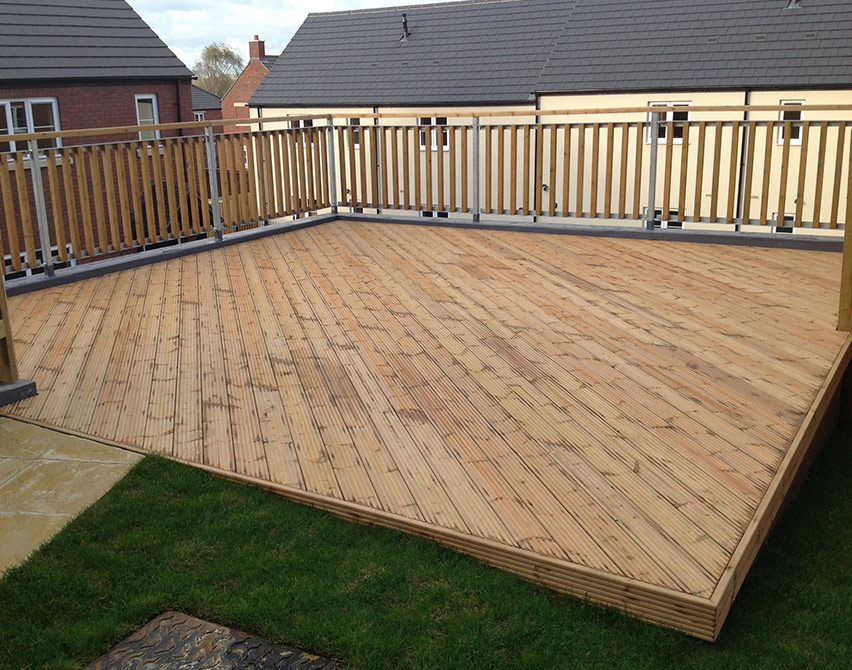
Ignoring Deck and Fence Maintenance
Wooden structures require regular inspection and sealing to prevent decay.
Common homeowner mistakes include:
- Skipping waterproof sealing
- Ignoring loose fasteners
- Allowing surface cracks to expand
- Delaying replacement of damaged boards
Routine care extends outdoor structure longevity.
Blocking Exterior Ventilation Openings
Exterior vents support airflow in attics, crawl spaces, and laundry systems. Blocking them reduces ventilation efficiency.
This can result in:
- Moisture buildup
- Mold formation
- Higher cooling costs
- Reduced indoor air quality
Keeping vents clear supports healthy airflow.
Using Incorrect Repair Materials
Temporary or incompatible repair materials may seem convenient but often worsen damage.
Examples include:
- Using indoor sealants outdoors
- Mixing incompatible siding materials
- Applying incorrect fasteners
- Skipping weather-resistant coatings
Choosing proper materials ensures lasting repairs.
Ignoring Seasonal Maintenance Planning 📅
Exterior care should follow a seasonal routine rather than emergency-only repairs.
Important seasonal priorities include:
- Spring inspections after winter exposure
- Summer repainting and sealing
- Autumn gutter cleaning
- Winter weatherproofing checks
Planning maintenance by season improves long-term protection.
FAQ: Common Exterior Maintenance Mistakes Homeowners Make
1. How often should exterior gutters be cleaned each year?
Most homes benefit from gutter cleaning at least twice annually, especially before and after heavy rainfall seasons.
2. What is the best time of year to repaint exterior walls?
Late spring through early autumn typically provides the most stable weather conditions for exterior painting.
3. Can small foundation cracks be repaired without professional help?
Hairline cracks can sometimes be sealed with appropriate products, but larger or expanding cracks should be evaluated by specialists.
4. How frequently should exterior windows be resealed?
Seal inspections should be performed annually, with resealing done whenever gaps or deterioration appear.
5. Does pressure washing damage exterior siding?
When done correctly with proper pressure levels, it safely removes dirt and mold without harming surfaces.
6. Why is vegetation clearance important around foundations?
Maintaining space around walls reduces moisture buildup and prevents roots from affecting structural stability.
7. What signs indicate exterior ventilation is blocked?
Symptoms include increased indoor humidity, condensation buildup, and unusual odors near attic or crawl spaces.