Sustainable Exterior Design Tips for an Eco-Friendly Home
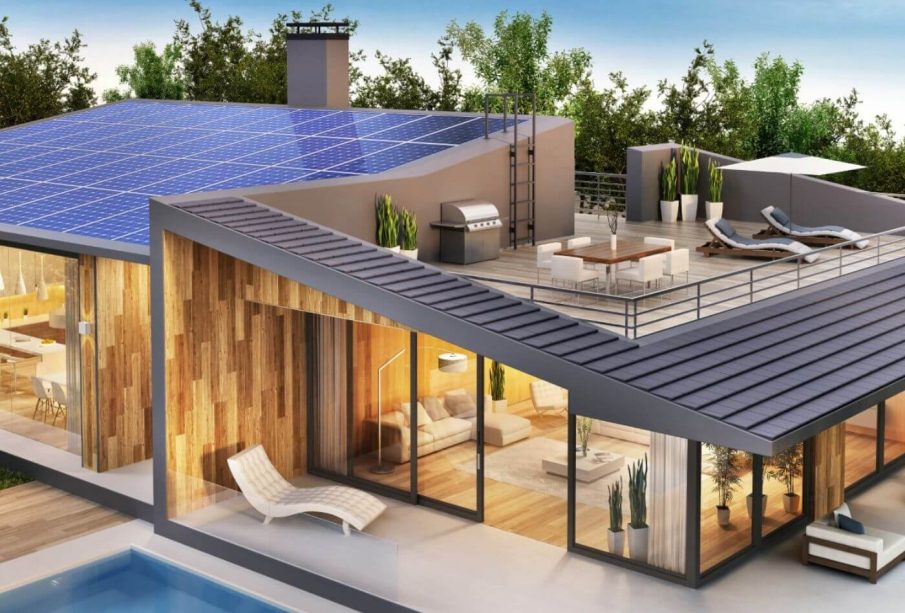
Sustainable exterior design focuses on reducing environmental impact while improving durability, comfort, and long-term efficiency. From material choices to landscaping strategies, thoughtful planning can significantly lower maintenance costs, conserve natural resources, and enhance curb appeal at the same time.
Why Sustainable Exterior Design Matters
Your home’s exterior directly influences energy consumption, water usage, and environmental footprint. Eco-conscious outdoor design helps homeowners achieve:
- Lower energy bills
- Improved insulation performance
- Reduced maintenance needs
- Better stormwater management
- Longer-lasting building materials
Sustainability outdoors begins with strategic decisions that balance aesthetics and performance.
Choose Durable and Eco-Friendly Building Materials
Material selection is one of the most important steps in sustainable exterior planning. Long-lasting surfaces reduce replacement frequency and environmental waste.
Recommended options include:
- Reclaimed wood siding
- Fiber cement cladding
- Recycled metal panels
- Locally sourced stone
- Low-VOC exterior paints
These materials resist weather damage while minimizing ecological impact.
Install Energy-Efficient Windows and Doors
Exterior openings strongly influence indoor temperature stability. High-performance windows and insulated doors improve thermal efficiency year-round.
Look for features such as:
- Double or triple glazing
- Low-emissivity coatings
- Weather-sealed frames
- UV protection layers
These upgrades reduce heating and cooling demand while increasing indoor comfort.
Incorporate Solar Shading Strategies ☀️
Controlling sunlight exposure helps regulate indoor temperatures naturally. Proper shading reduces dependence on mechanical cooling systems.
Effective shading solutions include:
- Roof overhangs
- Pergolas
- Exterior louvers
- Vertical screens
- Shade trees
These elements protect walls and windows from excessive heat gain.
Use Native and Climate-Appropriate Landscaping 🌱
Native plants thrive with minimal irrigation and maintenance because they are adapted to local conditions.
Benefits of native landscaping:
- Lower water consumption
- Reduced fertilizer requirements
- Support for local biodiversity
- Improved soil stability
Replacing high-maintenance lawns with native plant beds can dramatically improve sustainability.
Install Permeable Pathways and Driveways
Traditional paved surfaces contribute to water runoff and heat buildup. Permeable alternatives help manage rainwater naturally.
Consider materials such as:
- Gravel pathways
- Permeable concrete
- Interlocking pavers
- Natural stone stepping paths
These surfaces allow water to seep into the ground rather than flowing into drainage systems.
Add Rainwater Harvesting Systems 💧
Rainwater collection reduces reliance on municipal water supplies and supports outdoor irrigation needs.
Common uses include:
- Garden watering
- Cleaning outdoor surfaces
- Landscape irrigation systems
Simple barrel systems or underground tanks can significantly improve water efficiency.
Integrate Solar Lighting for Outdoor Spaces
Solar-powered exterior lighting enhances safety and reduces electricity consumption simultaneously.
Popular solar lighting applications:
- Garden path lights
- Entryway fixtures
- Fence lighting
- Deck illumination
These systems operate independently of grid electricity and require minimal maintenance.
Install Green Roof or Vertical Garden Features
Vegetation-based exterior solutions improve insulation and air quality while reducing urban heat effects.
Advantages include:
- Better thermal performance
- Reduced stormwater runoff
- Enhanced biodiversity support
- Attractive natural aesthetics
Even small vertical gardens can make a noticeable environmental difference.
Select Reflective Roofing Materials
Roof surfaces absorb significant heat throughout the day. Reflective or “cool roof” materials help maintain lower indoor temperatures.
Suitable choices include:
- Light-colored shingles
- Reflective metal roofing
- Clay tiles
- Coated roofing membranes
These materials improve energy efficiency, especially in warm climates.
Improve Outdoor Insulation with Strategic Plant Placement 🌳
Planting vegetation near walls and windows can reduce temperature fluctuations around the home.
Smart placement strategies:
- Trees on west-facing walls for afternoon shade
- Shrubs near foundations for insulation support
- Climbers on trellises for natural cooling barriers
Landscape planning becomes an active part of energy management when done correctly.
Choose Sustainable Fencing and Boundary Solutions
Eco-friendly fencing materials enhance privacy without increasing environmental impact.
Better alternatives include:
- Bamboo fencing
- Recycled composite panels
- Locally sourced timber
- Living green hedges
These options balance durability with sustainability goals.
FAQ: Sustainable Exterior Design Tips
1. What is the most cost-effective sustainable exterior upgrade?
Installing solar-powered outdoor lighting and switching to native landscaping are among the most affordable improvements with immediate benefits.
2. Can sustainable exterior design increase property value?
Yes. Energy-efficient features and environmentally responsible landscaping often improve resale appeal and long-term buyer interest.
3. Are green roofs suitable for all homes?
Not always. Structural capacity and climate conditions must be evaluated before installation to ensure safety and performance.
4. How does permeable paving reduce environmental impact?
It allows rainwater to filter into the soil, reducing runoff, erosion risk, and pressure on drainage systems.
5. Is fiber cement siding considered eco-friendly?
Yes. It is durable, long-lasting, and resistant to weather damage, reducing replacement frequency over time.
6. Do reflective roofs work in colder climates?
Yes. They still improve insulation efficiency and help regulate indoor temperatures year-round.
7. How can exterior design reduce long-term maintenance needs?
Using weather-resistant materials, native plants, and efficient drainage systems minimizes repair frequency and upkeep effort.