Flat Roof vs Sloped Roof: Pros and Cons
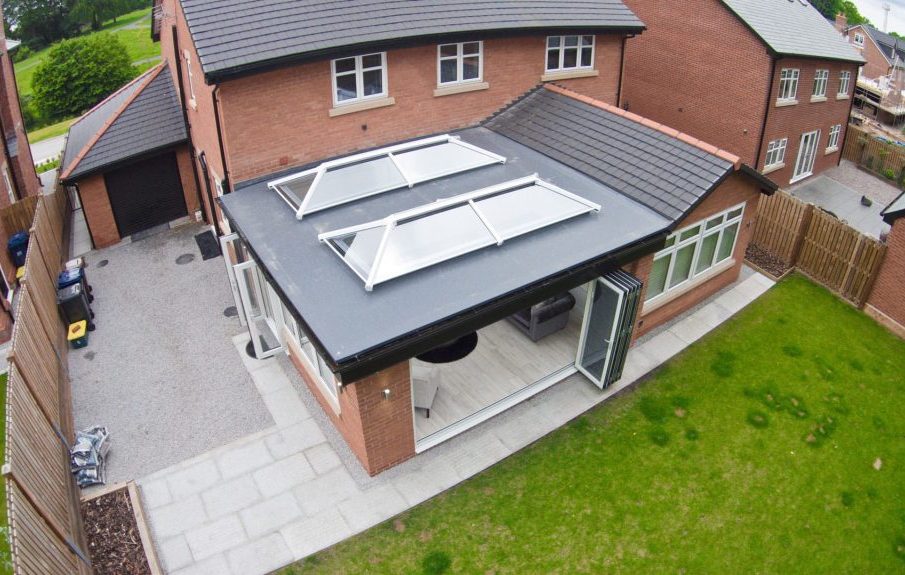
Choosing between a flat roof and a sloped roof affects not only the appearance of a building but also its maintenance needs, durability, drainage performance, and long-term costs. Each roofing style offers distinct advantages depending on climate conditions, building design, and functional requirements. Understanding their differences helps homeowners make informed decisions that balance practicality and aesthetics.
Both options perform well when installed correctly, but their suitability varies based on location, usage goals, and budget priorities.
What Is a Flat Roof?
A flat roof is not completely level. It typically includes a slight slope to allow water drainage. This design is common in modern homes, commercial buildings, and urban structures.
Flat roofs are often constructed using:
- Reinforced concrete
- Modified bitumen
- PVC membranes
- Built-up roofing layers
They provide a clean architectural look and additional usable space.
What Is a Sloped Roof?
A sloped roof includes one or more angled surfaces designed to direct rainwater away quickly. This traditional roofing style is widely used in residential construction.
Common sloped roof materials include:
- Asphalt shingles
- Clay tiles
- Metal sheets
- Slate
The angled structure improves drainage and weather resistance naturally.
Advantages of Flat Roofs
Flat roofs offer several functional and design benefits.
Extra Usable Space
One of the biggest advantages is accessibility.
Flat roofs can be used for:
- Rooftop gardens 🌿
- Solar panel installation
- Outdoor seating areas
- HVAC equipment placement
This additional space increases property usability without expanding the building footprint.
Lower Initial Construction Cost
Flat roofs generally require:
- Fewer materials
- Less structural complexity
- Faster installation time
This often reduces upfront construction expenses compared to sloped alternatives.
Modern Architectural Appearance
Flat roofs complement contemporary building styles by creating:
- Clean lines
- Minimalist profiles
- Urban aesthetics
They are especially popular in modern residential developments.
Easier Inspection and Maintenance Access
Since the surface is walkable, technicians can inspect:
- Drain outlets
- Waterproofing layers
- Equipment installations
Maintenance tasks become more manageable and safer.
Disadvantages of Flat Roofs
Despite their benefits, flat roofs require careful maintenance planning.
Drainage Challenges
Because flat roofs rely on slight slopes for water movement:
- Water may accumulate during heavy rain
- Blocked drains can cause leakage risks
- Waterproofing layers require monitoring
Proper drainage design is essential for long-term performance.
Shorter Lifespan Compared to Sloped Roofs
Flat roofing membranes generally last less time than traditional tile or metal roofing systems.
Typical lifespan ranges:
- 10–25 years depending on materials used
Regular inspections help extend durability.
Higher Maintenance Requirements
Flat roofs often need:
- Periodic waterproofing
- Drain cleaning
- Surface inspections after storms
Neglecting maintenance increases repair costs over time.
Advantages of Sloped Roofs
Sloped roofs remain one of the most reliable roofing solutions worldwide.
Excellent Water Drainage Performance 🌧️
The angled structure allows rainwater and debris to flow off naturally.
Benefits include:
- Reduced leakage risk
- Less standing water
- Lower moisture-related damage
This makes sloped roofs ideal in regions with heavy rainfall.
Longer Lifespan
Sloped roofs typically last longer because water does not remain on the surface.
Estimated lifespans:
- Asphalt shingles: 15–30 years
- Metal roofing: 40–70 years
- Clay tiles: 50+ years
Material choice strongly influences durability.
Better Insulation Efficiency
The attic space beneath sloped roofs improves thermal performance.
This helps:
- Maintain indoor temperature
- Reduce energy costs
- Improve ventilation airflow
Enhanced insulation supports year-round comfort.
Lower Long-Term Maintenance Needs
Compared to flat roofs, sloped roofs generally require fewer waterproofing interventions.
Routine inspections usually focus on:
- Shingle condition
- Flashing joints
- Gutter performance
Maintenance remains predictable and manageable.
Disadvantages of Sloped Roofs
Although reliable, sloped roofs also present some limitations.
Higher Construction Cost
Sloped roofs typically involve:
- More materials
- Structural framing complexity
- Longer installation time
This increases upfront investment compared to flat roofing systems.
Limited Roof Accessibility
Unlike flat roofs, sloped surfaces are not suitable for regular use.
They are less practical for:
- Recreational areas
- Equipment placement
- Rooftop landscaping
Accessibility usually requires professional assistance.
Reduced Expansion Flexibility
Adding rooftop features such as terraces or additional floors is more complex with sloped structures.
Design changes often require structural modifications.
Climate Considerations When Choosing Between Flat and Sloped Roofs
Weather conditions play a major role in selecting the right roof type.
Flat roofs are better suited for:
- Dry climates
- Moderate rainfall regions
- Urban environments with space constraints
Sloped roofs perform better in:
- Heavy rainfall areas
- Snow-prone regions ❄️
- Locations with strong seasonal weather variations
Matching roof type with climate improves long-term performance.
Which Roof Type Is Better for Residential Homes?
The answer depends on priorities such as:
- Budget availability
- Climate conditions
- Maintenance preferences
- Architectural style goals
- Space usage requirements
Modern homes often favor flat roofs for aesthetics and functionality, while traditional homes commonly benefit from the durability of sloped roofs.
Selecting the right option involves balancing appearance with practicality.
FAQ: Flat Roof vs Sloped Roof
1. Which roof type is more energy efficient?
Sloped roofs often provide better insulation due to attic space, but flat roofs can support solar panels more easily, improving overall efficiency.
2. Are flat roofs safe during heavy rainfall?
Yes, when designed with proper drainage systems and waterproofing layers, they perform reliably in moderate rainfall conditions.
3. Do sloped roofs increase property value?
In many residential markets, sloped roofs are associated with durability and traditional appeal, which may support resale value.
4. Can solar panels be installed on both roof types?
Yes. However, flat roofs allow easier adjustment of panel angles for optimal sunlight exposure.
5. Which roof type is easier to repair?
Flat roofs are generally easier to access, but sloped roofs often require fewer repairs over time.
6. Are flat roofs suitable for multi-story homes?
Yes. Flat roofs are commonly used in multi-story urban buildings because they support utility installations and rooftop spaces.
7. Which roof performs better in hot climates?
Flat roofs with reflective coatings and insulation layers can perform efficiently in hot climates when properly designed.