Eco-Friendly Shade Options to Reduce Energy Costs
As energy prices continue to rise across Australia, homeowners and business owners are looking for sustainable ways to keep their properties cool. While air conditioning provides immediate relief, it comes with a high environmental and financial cost. A more passive approach, using strategic shading, can significantly lower indoor temperatures and reduce the reliance on power-hungry cooling systems. By stopping heat before it enters the building, you attack the problem at its source.
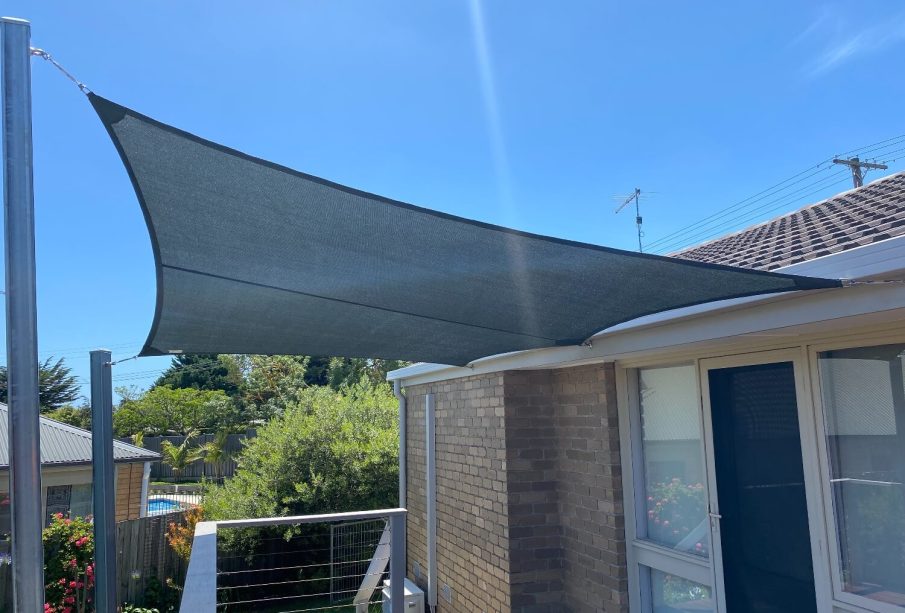
The concept is simple: block the sun from hitting your windows, walls, and outdoor surfaces. When direct sunlight strikes glass, the heat transfers rapidly into the home, creating a greenhouse effect. External shading is far more effective than internal blinds because it reflects the heat away before it penetrates the building envelope. In urban environments, where heat retention in concrete and brick is a major issue, solutions like shade sails Sydney residents use can make a noticeable difference to thermal comfort.
Choosing eco-friendly materials and designs adds another layer of benefit. Sustainable shading is not just about blocking light; it is about selecting options that have a low environmental impact in their production and lifespan. From natural vegetation to recyclable fabrics, there are several ways to cool your home while keeping your carbon footprint in check.
Harnessing Nature with Green Shading
One of the most effective and aesthetically pleasing ways to shade a building is through vegetation. Deciduous trees and vines are nature’s perfect temperature regulators. Planted on the northern and western sides of a house, they provide dense shade during the intense heat of summer. In winter, they drop their leaves, allowing the lower sun to warm the home naturally.
Vertical gardens or “green walls” are another excellent option, particularly for urban homes with limited space. A trellis covered in climbing plants acts as a living insulator. The plants absorb sunlight for photosynthesis and release moisture through transpiration, which actively cools the surrounding air. This natural barrier protects walls from absorbing heat during the day, keeping the interior cooler into the evening.
Sustainable Fabric Structures
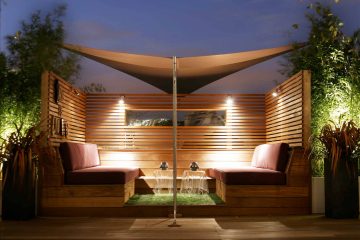
For areas where planting trees is not feasible, tensioned fabric structures offer a versatile alternative. Modern high-performance fabrics are often designed with sustainability in mind. Many are now fully recyclable at the end of their life, and some are even made from recycled materials. These structures are lightweight, requiring less steel and concrete for support compared to solid roofs, which reduces the embodied energy of the installation.
The design of these structures allows for excellent airflow. Unlike a solid roof that can trap hot air underneath, breathable fabrics allow heat to escape upwards. This constant air movement prevents a buildup of heat against the side of the building. By shading patios, decks, and windows, they reduce the thermal load on the house, meaning your air conditioner does not have to work as hard to maintain a comfortable temperature.
Solar-Ready Pergolas
For those looking to maximise energy efficiency, a pergola designed to support solar panels is a dual-purpose solution. This structure provides deep shade for an outdoor area or a car, while simultaneously generating clean electricity. The solar panels themselves absorb the solar energy that would otherwise heat up the pavement or the car, converting it into power for the home.
This approach turns a passive shading structure into an active energy asset. It effectively creates a “cool zone” underneath while offsetting your electricity usage. With the correct orientation, a solar pergola can generate a significant portion of a household’s daytime energy needs, further reducing bills and environmental impact.