How Regular Cleaning Builds a Healthier Daily Routine
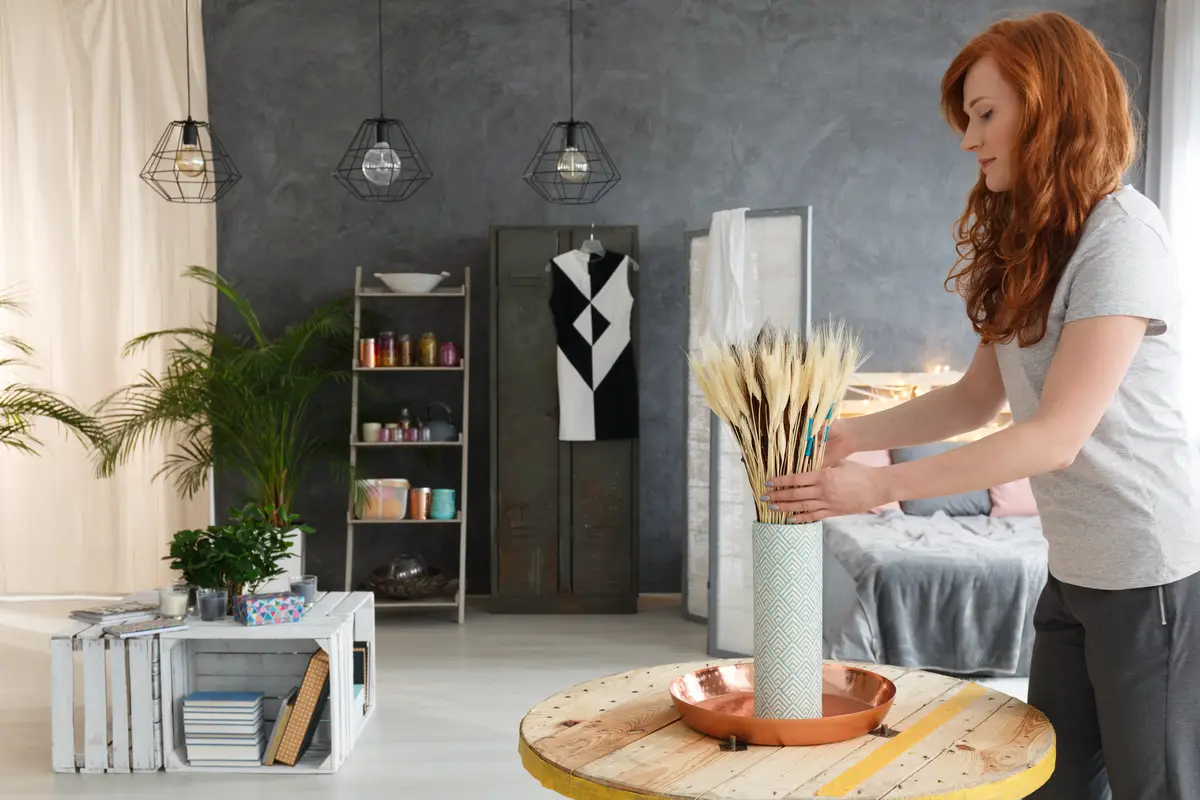
A clean environment is more than a visual pleasure—it quietly shapes how we feel, think, and function every day. Regular cleaning introduces structure into daily life, reduces health risks, and supports both mental and physical well-being. Over time, this simple habit becomes the backbone of a healthier, more balanced routine.
The Connection Between Clean Spaces and Daily Habits
Our surroundings influence our behavior more than we realize. A cluttered or dirty space can trigger stress and procrastination, while a clean environment encourages consistency and calm.
Regular cleaning naturally:
-
Establishes predictable routines
-
Reduces decision fatigue
-
Encourages mindfulness and discipline
When cleaning becomes habitual, it blends seamlessly into everyday life rather than feeling like a burdensome chore.
How Cleaning Supports Physical Health
Dust, allergens, bacteria, and mold often accumulate unnoticed. Consistent cleaning reduces these invisible threats and lowers the risk of illness.
Key physical health benefits include:
-
Fewer allergy and asthma triggers
-
Reduced spread of germs and viruses
-
Improved indoor air quality
-
Safer surfaces in kitchens and bathrooms
Maintaining cleanliness acts as a quiet form of preventive healthcare.
Mental Health Benefits of a Clean Routine
Clean surroundings have a direct effect on mental clarity and emotional balance. When the environment feels under control, the mind often follows.
Regular cleaning helps by:
-
Lowering stress hormones
-
Improving focus and productivity
-
Creating a sense of accomplishment
-
Supporting better sleep patterns
Small daily cleaning tasks can offer the same grounding effect as other wellness practices.
Cleaning as a Foundation for Healthy Discipline
Routine cleaning encourages consistency. This discipline often extends into other areas of life, including nutrition, exercise, and time management.
Over time, cleaning routines:
-
Reinforce responsibility
-
Build self-respect through self-care
-
Encourage proactive rather than reactive behavior
These habits create momentum toward a more organized lifestyle.
How Clean Environments Improve Time Management
Mess creates delays. Searching for misplaced items, reorganizing clutter, or dealing with unexpected messes eats into valuable time.
A clean routine:
-
Reduces daily interruptions
-
Speeds up morning and evening tasks
-
Makes planning more efficient
When everything has a place, daily schedules flow with less resistance.
Making Regular Cleaning Sustainable
The key to long-term success lies in simplicity. Over-cleaning leads to burnout, while manageable routines foster consistency.
Practical ways to stay consistent:
-
Focus on small daily tasks
-
Assign specific cleaning days for deeper work
-
Keep supplies accessible
-
Tie cleaning habits to existing routines
Sustainable cleaning routines adapt to your lifestyle rather than overpowering it.
The Long-Term Impact on Overall Well-Being
Over weeks and months, regular cleaning becomes automatic. The environment stays healthier, stress levels remain lower, and daily routines feel lighter.
This long-term consistency:
-
Supports emotional stability
-
Promotes physical wellness
-
Enhances quality of life
What begins as cleaning eventually becomes a form of everyday self-care.
Frequently Asked Questions
How often should regular cleaning be done?
Light cleaning tasks can be done daily, while deeper cleaning works best on a weekly or monthly schedule depending on the space.
Can regular cleaning really reduce stress?
Yes, clean environments reduce visual clutter and mental overload, helping the brain relax and focus more easily.
Is cleaning considered a healthy habit?
Absolutely. It supports hygiene, physical activity, mental clarity, and emotional balance when done consistently.
How can busy people maintain a cleaning routine?
Breaking tasks into short, manageable sessions and tying them to daily habits makes cleaning easier to maintain.
Does cleaning improve sleep quality?
A clean bedroom can promote better sleep by reducing allergens, distractions, and mental stress.
What areas should be prioritized for health?
Kitchens, bathrooms, bedrooms, and high-touch surfaces should always receive the most attention.
Can cleaning help build better discipline?
Yes, regular cleaning reinforces structure and responsibility, often leading to improved habits in other areas of life.