How to Prune Roses: Your Complete Guide
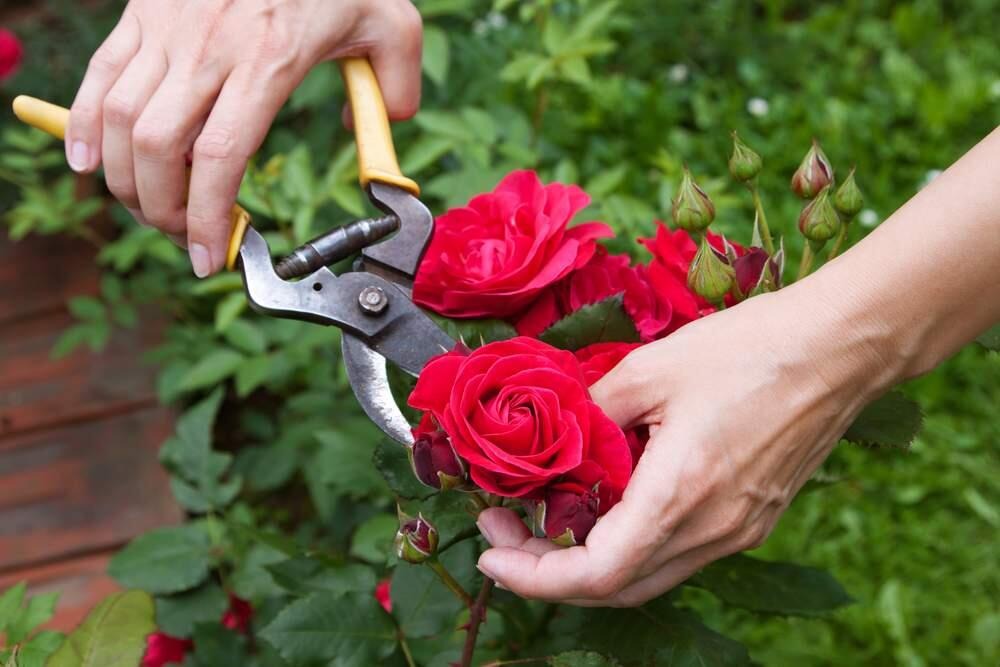
Pruning roses seems like a complicated task for most novices. With those fragile blossoms and thorny branches, you can easily end up cutting too much or pruning the incorrect plant part.
Do not worry, though. This comprehensive guide will tell you exactly how to bring a captivating burst of colour and fragrance to your rose garden.
Why Pruning Is Essential for Roses
Maintaining your roses’ tidy appearance is not the sole benefit of pruning them. It is also necessary for the plant’s vitality and general well-being. Frequent trimming promotes fresh growth, which improves bloom form and increases petal count.
Furthermore, eliminating dead or diseased branches frees the plant to concentrate on blossoming instead of battling broken twigs. Pruning also enhances the plant’s air circulation. The improved air movement reduces the chances of fungal diseases, black spots, and mildew, all of which are typical rose afflictions.
Additionally, it helps sunlight reach farther into the plant, ensuring that even the inner branches get the light they require to flourish.
Apart from its health benefits, pruning helps shape the plant, thereby regulating its size and guiding its growth direction. This allows you better control over the general look of your roses, consequently improving the aesthetic of your garden.
When to Prune Your Roses
Proper pruning is all about timing. Most varieties of flowers should be pruned in late winter or early spring, just as fresh development starts to show.
By then, the risk of frost damage would have passed, and the plant would not have fully awoken from its winter hibernation.
During that transition period, pruning promotes robust, fresh development and prepares the ground for a season of full blossom. However, not all roses are completely dormant in cooler climates, and trimming is sometimes done earlier, often in late October.
Your particular rose type and local temperature determine the ideal timing. For example, late summer trimming of climbers and ramblers is advised, as pruning them in spring could keep flowers from blooming altogether.
Look for signals on the plant itself if you ever doubt the appropriate moment. Swelling buds and emerging green hues are clear indicators that it is time to prune.
The Tools You Need for Pruning
A good pruning session depends on having the proper tools. Sharp and clean instruments cut precisely, which in turn lowers disease risk.
For heavier branches, a pair of loppers, a pruning saw, and some decent bypass secateurs are essential. The most ideal bypass secateurs are those that produce cleaner cuts than anvil pruners, which tend to break stems.
You will need thick gardening gloves to protect your hands from the prickly thorns as well. Wearing long sleeves and protective glasses is also a smart idea to prevent scratches when handling some roses, particularly those of the climbing kind.
For optimal results every time, always make sure your tools are in good condition. Cleaning your tools with rubbing alcohol, both before and after usage, stops the spread of diseases between plants.
Keeping your blades sharp is crucial as well. Dull blades tend to cut the plant raggedly, potentially damaging it and hindering its growth.
Moreover, frequently oiling the moving components of your equipment is vital. It helps them run as they should, thereby simplifying and accelerating the pruning process.
Step-By-Step Guide to Pruning Roses
Knowing why, when, and with which tools to prune helps you prepare for the actual process. Pruning roses is not about haphazardly cutting away at the plant. Each cut should be deliberate and intentional.
Eliminate any dead, damaged, or sick branches first. You can identify them by their dark or black appearance and brittle texture.
Cut these branches back to expose healthy wood by making your incisions just above a blossom facing outwards. This forces the plant to develop in a way that opens at the core and improves air circulation.
Next, look for any twigs pressing against or crossing one another. These can break the plant and make it more vulnerable to disease. Cut the weaker or less desired branch at an angle, right above the outward-facing buds.
You also have to thin out some of the older, thicker branches. Although mixing old and young twigs is beneficial, too much old growth can restrict the plant’s growth.
Cut the older stems straight down to the base of the plant. Aim to eliminate roughly one-third of them to accelerate the development of shoots.
Finally, you need to shape the plant to your desired size. Trim back hybrid teas and floribundas, roughly between one-third and half of the plant’s height.
For climbing flowers, leave the main stems longer and concentrate on cutting the side shoots down to just a few buds.
Remember to always cut at a 45-degree angle away from the bud to allow water to flow smoothly instead of gathering on the trimmed surface. In return, this helps prevent water retention, which lowers the risk of rot and decay.
If you need to see a real-life example of how this is done, enlist the help of a professional gardener who will walk you through the right techniques that you can then replicate on your own.
What to Do After Pruning
Now, you know how to prune roses, but you are not done yet. After you finish, you should clear any clippings away from the plant. Remove fallen leaves, withered petals, and trimmed branches to keep the area free of pests and illnesses.
Mulching around the rose’s base is another crucial step that aids in moisture retention and weed control, creating a better environment for your freshly cut plant.
Feeding your flowers following pruning is also vital. Give your plant the nutrients it requires to heal and flourish with a balanced rose fertiliser. A slow-release granular fertiliser is an excellent choice, as it supplies nutrients consistently across the growth season.
Additionally, you must ensure your blooms receive enough water after pruning, particularly in dry weather.
Roses require constant moisture to flourish, whereas leaves become more vulnerable to fungal illnesses when watered. So, be sure to water near the base of the plant to guarantee the soil remains moist but not soggy.
Keep an eye on your flowers as they blossom, and look for any indicators of disease or pests. Check for black spots, aphids, and mildew. These common plant afflictions are all avoidable with regular maintenance and attention.
Common Pruning Mistakes to Avoid
With some knowledge, you will be able to easily avoid common pitfalls that can be detrimental to your garden. One prevalent error among novice gardeners is cutting too early in the season.
Pruning during a period of frost is likely to damage fresh growth and severely hurt your blossoms, so make sure you wait until the latest frost date passes when buds start to swell.
Pruning either too little or too much is another widespread mistake. While excessive pruning stresses the plant and impedes blooming, being too shy with your cuts leaves your roses looking crowded and uneven.
Eliminating deadwood, thinning down extra growth, and gently contouring the plant as needed is the perfect way to find the right balance without overdoing it.
Conclusion
Pruning is a delicate art that you can master with enough knowledge and some experience. Learning how to prune roses is a gratifying and relaxing activity that yields healthier plants and breathtaking blossoms.
Remember, every cut you make impacts the development of your flowers. So, grab your secateurs, head into the yard, and start pruning. Your plants will thank you for it.