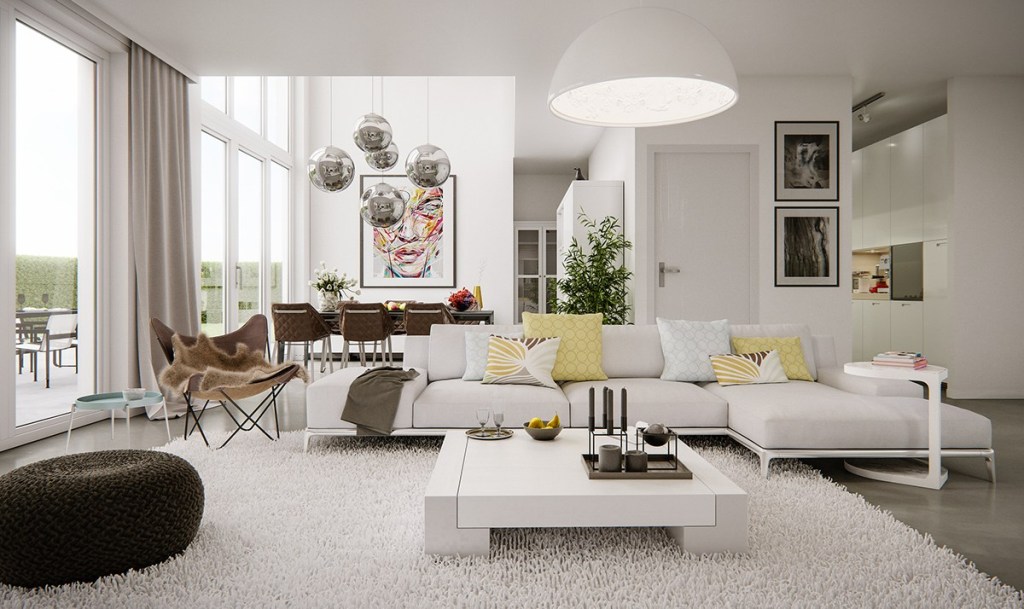
Why Clean Spaces Inspire Better Lifestyle Choices
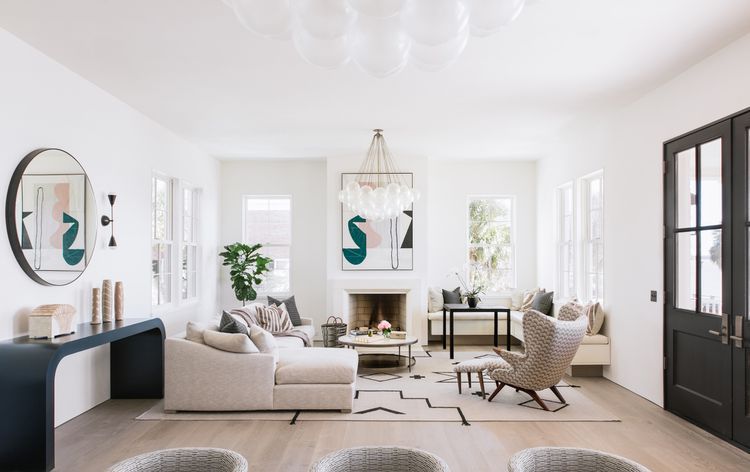
A clean space does more than look good. It quietly shapes how people think, feel, and behave every day. From the moment someone steps into an uncluttered room, their mind begins to respond—often without them realizing it. Clean environments support clarity, discipline, and intentional living, which naturally leads to better lifestyle choices over time.
The Psychological Impact of Clean Environments
Human brains are highly sensitive to surroundings. Visual chaos competes for attention, while order creates mental breathing room.
Reduced Mental Overload
Clutter forces the brain to process unnecessary stimuli. Clean spaces:
-
Lower cognitive fatigue
-
Improve focus and decision-making
-
Create a sense of calm and control
When the mind isn’t overwhelmed, it becomes easier to choose habits that align with long-term well-being rather than short-term comfort.
Emotional Balance and Stability
Orderly environments are closely tied to emotional regulation. Clean spaces often evoke:
-
A sense of safety and predictability
-
Reduced stress and anxiety
-
Improved mood throughout the day
These emotional benefits influence healthier responses to daily challenges, such as choosing patience over impulsivity.
Clean Spaces Encourage Healthy Daily Habits
Lifestyle choices are built from small, repeated actions. A clean environment supports those actions consistently.
Better Nutrition and Eating Patterns
An organized kitchen promotes mindful eating. When counters are clear and food is stored intentionally:
-
Healthy options become more visible
-
Cooking feels less stressful
-
Mindless snacking decreases
Clean spaces make it easier to prepare meals rather than relying on convenience foods.
Improved Sleep Quality
A tidy bedroom signals the brain that it’s time to rest. Clean sleeping areas help:
-
Reduce nighttime anxiety
-
Improve sleep onset
-
Support consistent sleep routines
Quality sleep directly impacts energy levels, mood, and long-term health decisions.
Productivity and Self-Discipline Start with Order
Clean spaces remove friction from daily tasks, making positive behaviors easier to sustain.
Fewer Distractions, More Momentum
Whether at home or work, clutter pulls attention away from priorities. Organized environments:
-
Improve task completion
-
Encourage time awareness
-
Reduce procrastination
This sense of momentum often spills into other areas of life, reinforcing discipline.
Reinforcing a Growth-Oriented Identity
Maintaining a clean space reinforces self-image. It subtly communicates:
-
Responsibility
-
Self-respect
-
Intentional living
People tend to act in ways that align with how they see themselves, making cleanliness a foundation for personal growth.
Cleanliness and Physical Health Are Closely Linked
Lifestyle choices around health become easier when environments support them.
Reduced Exposure to Illness
Clean spaces limit the buildup of:
-
Dust and allergens
-
Bacteria and mold
-
Airborne irritants
This supports respiratory health and lowers the likelihood of recurring minor illnesses that disrupt routines.
Motivation to Stay Active
An uncluttered home leaves room for movement. Clear floors and open areas:
-
Encourage stretching or home workouts
-
Reduce sedentary behavior
-
Make physical activity feel accessible
When movement feels convenient, people are more likely to stay consistent.
The Long-Term Lifestyle Effect of Clean Living
Clean spaces don’t create instant transformation, but they encourage sustainable change.
Positive Feedback Loops
Clean environments lead to:
-
Better habits
-
Improved confidence
-
Greater motivation
Those outcomes, in turn, make it easier to maintain cleanliness, creating a self-reinforcing cycle.
Intentional Living Becomes the Default
Over time, clean spaces teach mindfulness. People become more selective about:
-
What they bring into their homes
-
How they spend their time
-
Which habits they maintain
This intentionality extends beyond the physical environment into overall lifestyle choices.
How to Build a Clean-Space Lifestyle Without Overwhelm
Creating clean spaces doesn’t require perfection.
Start Small and Stay Consistent
-
Tidy one area daily
-
Focus on progress, not perfection
-
Build routines instead of relying on motivation
Small efforts compound into lasting change.
Align Cleaning With Personal Values
When cleanliness is connected to comfort, health, or peace of mind, it becomes meaningful rather than burdensome.
FAQs
How does a clean space influence mental health?
Clean spaces reduce sensory overload, lower stress levels, and support emotional balance, which positively impacts mental health.
Can cleanliness really affect decision-making?
Yes, orderly environments improve focus and clarity, making thoughtful decisions easier and impulsive choices less likely.
Is decluttering more important than cleaning?
Both matter, but decluttering often has a stronger impact because it removes visual noise and simplifies daily routines.
How often should living spaces be cleaned to see benefits?
Light daily maintenance combined with weekly deeper cleaning is usually enough to maintain psychological and physical benefits.
Can clean spaces improve relationships?
Yes, clean environments reduce tension, improve communication, and create more welcoming shared spaces.
What if someone feels overwhelmed by cleaning?
Starting with small, manageable tasks and creating simple routines helps reduce overwhelm and build consistency.
Do clean spaces affect long-term lifestyle habits?
Over time, clean environments reinforce discipline, intentional living, and healthier daily choices.