Mixing Old and New Furniture Styles Successfully
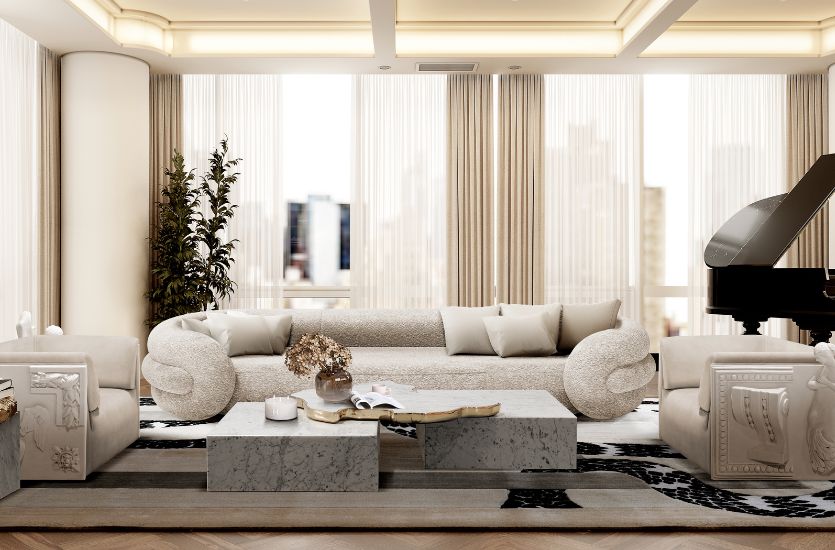
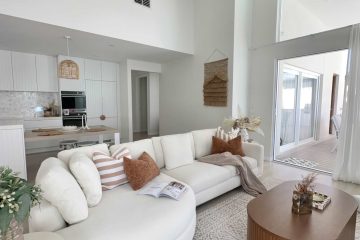
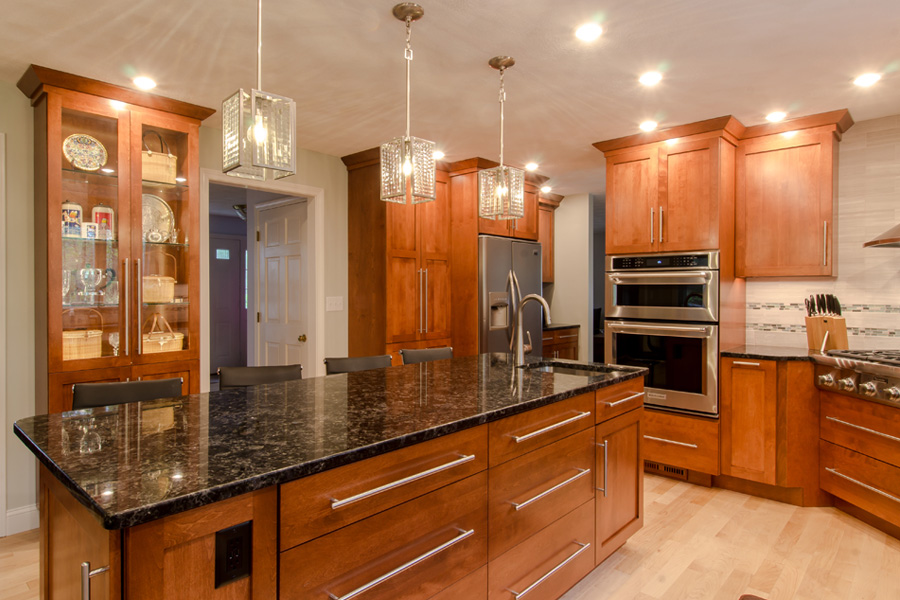
Blending old and new furniture styles creates interiors that feel layered, personal, and visually interesting rather than staged or predictable. When done thoughtfully, this approach adds character while maintaining comfort and functionality. The key is not matching everything—but making different pieces feel intentionally connected.
A successful mix balances contrast, proportion, color harmony, and placement strategy so the room looks curated rather than cluttered.
Understand Why Mixing Styles Works
Combining furniture from different periods creates depth because each piece contributes a unique visual story.
This approach helps:
- Prevent interiors from feeling overly formal or showroom-like
- Highlight statement furniture pieces
- Add warmth to modern spaces
- Refresh traditional rooms with lighter energy
A balanced blend often feels more natural than a fully matched set.
Choose One Dominant Style First
Start by identifying the primary visual direction of the room.
Examples include:
- Contemporary
- Traditional
- Rustic
- Mid-century
- Minimalist
Let one style guide 60–70% of the space, while the remaining pieces introduce contrast. This keeps the room cohesive instead of chaotic.
Repeat Materials for Visual Consistency
Different furniture styles can still feel connected through shared materials.
For example:
- Wood tones repeated across pieces
- Metal finishes echoed in lighting and tables
- Upholstery textures mirrored in cushions or rugs
Repeating materials quietly ties the room together without making everything identical.
Balance Visual Weight Across the Room
Older furniture often looks heavier and more detailed, while newer pieces feel lighter and simpler.
Balance them by:
- Pairing carved wood tables with clean-lined sofas
- Placing vintage cabinets beside modern lamps
- Mixing ornate frames with minimalist artwork
This contrast keeps the space dynamic and comfortable.
Use Color as the Unifying Element 🎨
Color is the easiest way to blend styles naturally.
Try these strategies:
- Keep upholstery within a consistent palette
- Match accent tones across eras
- Repeat one anchor color at least three times
Even dramatically different furniture pieces look intentional when they share color harmony.
Mix Shapes Instead of Matching Sets
Rooms feel more interesting when shapes vary.
Examples include:
- Curved vintage armchairs with rectangular modern sofas
- Round antique tables paired with sleek lighting
- Straight-lined shelving next to traditional dressers
Shape contrast creates movement and visual rhythm.
Anchor the Room With a Statement Piece
Choose one standout item to define the personality of the space.
Popular choices include:
- Antique sideboards
- Mid-century coffee tables
- Vintage armchairs
- Contemporary sculptural lighting
Once a focal piece is established, surrounding furniture can support it without competing.
Keep Proportions Consistent
Scale matters more than style.
Ensure:
- Seating heights align comfortably
- Tables match sofa proportions
- Storage pieces don’t overwhelm walkways
Balanced proportions help mixed-style rooms feel intentional instead of improvised.
Blend Textures for a Natural Transition
Texture softens the contrast between old and new pieces.
Combine elements like:
- Leather and linen
- Wood and glass
- Brass and matte finishes
- Wool rugs with sleek flooring
Texture layering creates warmth and visual comfort.
Avoid Overcrowding With Too Many Statement Pieces
Too many focal items compete for attention.
Instead:
- Limit bold antiques to one or two per room
- Use neutral modern pieces as support elements
- Keep pathways visually open
This approach keeps the design structured and readable.
Use Accessories to Bridge the Style Gap 🏺
Decor elements help connect furniture from different eras.
Helpful accessories include:
- Throw cushions
- Rugs
- Wall art
- Lamps
- Plants
These smaller details create transitions that make mixed styles feel cohesive.
Let Negative Space Do Its Work
Not every corner needs decoration.
Leaving breathing room:
- Highlights statement furniture
- Prevents visual clutter
- Improves movement flow
- Keeps the room feeling modern
Strategic emptiness strengthens the overall composition.
Combine Function With Personality
Mixing styles should never sacrifice usability.
Choose pieces that:
- Support daily routines
- Fit comfortably within the room layout
- Allow flexible movement
- Reflect personal taste
Practical spaces always feel more authentic than purely decorative ones.
FAQ: Mixing Old and New Furniture Styles Successfully
1. Can antique furniture work in small modern apartments?
Yes. Select one or two compact antique pieces and pair them with lighter modern furniture to maintain openness.
2. How do I mix furniture styles without making the room look cluttered?
Stick to a consistent color palette and limit the number of statement pieces to maintain visual clarity.
3. Should wood finishes match when mixing styles?
Not exactly. They should complement each other in tone rather than match perfectly.
4. Is it okay to mix multiple vintage eras in one room?
Yes, but keep one era dominant and use the others as accents to maintain balance.
5. Can modern lighting work with traditional furniture?
Absolutely. Modern lighting often refreshes traditional spaces and adds contrast without overpowering them.
6. What is the easiest way to start mixing styles for beginners?
Start by introducing one vintage piece into an otherwise modern room and build gradually from there.
7. Do mixed-style interiors go out of trend quickly?
No. Because they rely on personal layering rather than strict trends, they tend to stay visually relevant longer.