Hidden Plumbing Issues That Can Damage Your Home
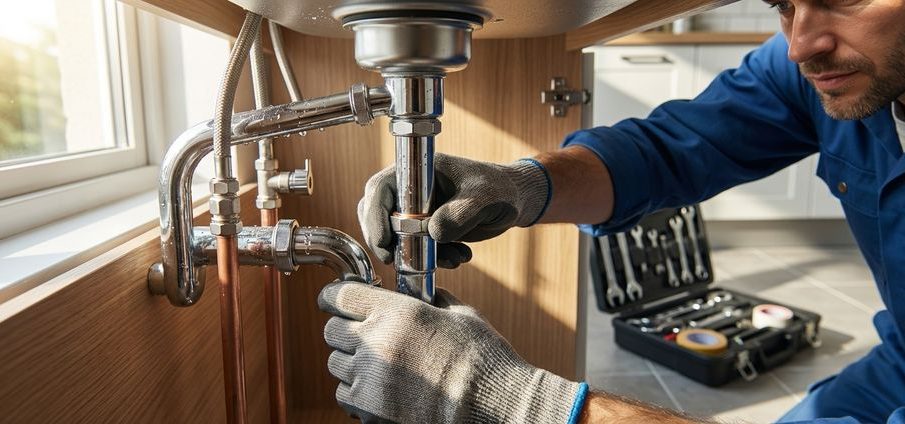
Some plumbing problems stay unnoticed until they cause serious structural damage, expensive repairs, or unhealthy indoor conditions. Unlike visible leaks or blocked drains, hidden plumbing issues often develop slowly behind walls, under floors, or inside ceilings. Recognizing early warning signs and understanding common hidden risks can help homeowners prevent long-term damage and unexpected repair costs.
Proactive awareness is one of the most effective ways to protect your home’s plumbing system and overall structure.
Slow Hidden Pipe Leaks Behind Walls
Small leaks inside walls are among the most damaging plumbing issues because they remain undetected for long periods.
Common warning signs include:
- Peeling paint or wallpaper
- Damp wall patches
- Musty odors
- Warped surfaces
- Sudden increases in water bills
Over time, hidden leaks weaken drywall, insulation, and even wooden framing.
Underground Pipe Damage Beneath Floors
Leaks under flooring often go unnoticed until structural problems appear.
Possible indicators include:
- Warm or damp floor spots
- Cracked tiles
- Buckling wooden flooring
- Reduced water pressure
- Unusual mold smell
Underground pipe issues can gradually affect the foundation if ignored.
Corroded Pipes Inside the Plumbing Network
Pipe corrosion usually develops internally and stays invisible until serious failure occurs.
Early symptoms may include:
- Discolored tap water
- Metallic taste in water
- Frequent minor leaks
- Reduced water flow
Corroded pipes eventually weaken and may burst unexpectedly.
Hidden Toilet Leaks That Waste Water Daily 🚽
Toilet leaks are often silent but continuous.
Signs of concealed toilet leakage include:
- Constant refilling sounds
- Movement in the water bowl when unused
- Unexpectedly high water bills
- Damp flooring near the base
Even small toilet leaks can waste hundreds of liters weekly.
Blocked Vent Pipes Affect Drain Performance
Plumbing vent pipes regulate airflow inside the drainage system, but blockages often remain unnoticed.
Blocked vents may cause:
- Slow drainage throughout the home
- Gurgling sounds in sinks
- Unpleasant drain odors
- Toilet flushing problems
Proper ventilation keeps drainage systems functioning smoothly.
Hidden Mold Growth Caused by Plumbing Moisture
Moisture from unnoticed leaks creates ideal conditions for mold growth.
Typical warning signs include:
- Persistent musty smells
- Dark wall spots
- Allergy-like symptoms indoors
- Peeling paint near plumbing fixtures
Mold not only damages surfaces but may also affect indoor air quality.
Water Pressure Imbalances Inside Pipes
Irregular pressure can silently strain plumbing systems.
Potential warning signals include:
- Noisy pipes
- Sudden pressure drops
- Splashing taps
- Appliance connection leaks
Unchecked pressure problems increase the likelihood of pipe failure over time.
Aging Pipe Joints and Connectors
Pipe connections weaken faster than main pipelines and often fail first.
Watch for signs like:
- Moisture around joints
- Mineral deposits near connectors
- Rust stains
- Occasional dripping
Replacing aging connectors early prevents larger pipe failures later.
Hidden Drain Line Blockages Below Ground
Main sewer line blockages develop gradually and stay unnoticed until severe backup occurs.
Possible symptoms include:
- Multiple slow drains at once
- Water backing up unexpectedly
- Strong outdoor odors
- Lawn patches that stay unusually wet
Early detection prevents costly excavation repairs.
Faulty Water Heater Connections Behind Units 🔧
Leaks near water heater fittings often stay hidden because they occur behind or beneath the appliance.
Warning indicators include:
- Rust around the tank base
- Moisture near connections
- Reduced hot water efficiency
- Popping or rumbling sounds
Routine inspections help prevent sudden water heater failure.
Improperly Installed Plumbing From Past Renovations
Poor installation during earlier remodeling projects may create long-term risks.
Common hidden problems include:
- Loose pipe fittings
- Incorrect pipe slope
- Unsupported pipelines
- Weak sealing around fixtures
Professional inspection can identify installation defects before they cause structural damage.
FAQ: Hidden Plumbing Issues That Can Damage Your Home
1. How can I detect hidden plumbing problems without opening walls?
Watch for moisture smells, unusual water bills, slow drains, and surface discoloration around plumbing areas.
2. Are ceiling stains always related to plumbing leaks?
Not always, but they often indicate leaks from bathrooms, upper floors, or overhead pipelines.
3. Can hidden plumbing issues affect home resale value?
Yes. Undetected plumbing damage may reduce property value and complicate inspections during resale.
4. Do hidden leaks increase electricity costs?
Yes. Water heaters and pumps may work harder when leaks reduce system efficiency.
5. Should plumbing systems be checked after home renovations?
Yes. Renovation work sometimes shifts pipes or weakens fittings, creating hidden risks later.
6. Are unusual pipe noises a sign of hidden problems?
Yes. Banging, rattling, or whistling sounds often indicate pressure issues or loose fittings.
7. Is professional leak detection necessary if there are no visible symptoms?
Periodic professional checks are still helpful, especially in older homes where hidden pipe wear is more likely.