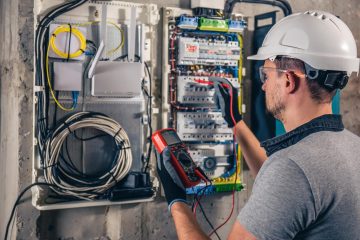
Inspect or regret- Why flying blind is never a good idea?

The consequence of flying blind is the potential for costly repairs and prolonged downtime. By neglecting regular inspections and maintenance, you run the risk of letting small issues escalate into major problems that require extensive and expensive repairs. For example, failing to inspect and maintain your vehicle’s brakes or tires leads to more significant issues down the road, such as warped rotors or worn suspension components. These larger problems are more expensive to repair than if the initial issue had been addressed promptly.
Environmental impact
Flying blind also hurts the environment. Neglecting to inspect and maintain systems that handle hazardous materials, for instance, leads to leaks, spills, or improper disposal, which cause environmental damage and potential health risks. To inspect and maintain power plants, pipelines, or other infrastructure that result in leaks or spills of harmful substances, contaminating soil, water, and air. Regular inspections and maintenance protocols are crucial for ensuring the safe and responsible operation of these facilities.
Early detection and prevention
The primary benefit of regular inspections is the ability to detect and address issues early before they escalate into major problems. By conducting thorough inspections regularly, you identify potential issues while they are still minor and relatively inexpensive to fix. For example, during a routine home inspection, a professional might notice a small leak in your roof or a crack in your foundation. Addressing these issues promptly prevents more significant and costly damage down the road, such as water damage, mold growth, or structural instability.
Compliance and liability protection
Regular inspections and maintenance are not just recommended best practices – they are legal requirements to comply with these regulations results in fines, legal liabilities, and even the potential for criminal charges in cases of gross negligence. For example, in the construction industry, building codes and safety regulations mandate regular inspections and maintenance of structures, electrical systems, and fire safety equipment. Ignoring these requirements puts lives at risk but exposes you to significant legal and financial consequences.
Extended asset lifespan
Regular inspections and maintenance help extend the lifespan of your assets, whether it’s your home, your vehicle, or your business equipment. By identifying and addressing issues early, you prevent premature wear and tear, reducing the need for costly replacements or upgrades. For instance, maintaining proper lubrication and alignment on industrial machinery extends its operational life, saving you from the expense of frequent replacements. Similarly, regular maintenance on your home’s HVAC system helps it run more efficiently and last longer, reducing your energy costs and the need for a new system Click to read more about building inspections in Sydney.
Condition-based inspections
Time-based inspections, many assets and systems benefit from condition-based inspections, which are triggered by specific events or indicators rather than a fixed schedule. These inspections are particularly valuable for assets that experience varying levels of usage or exposure to different environmental conditions.
For instance, vehicles used in harsh environments or for heavy-duty applications may require more frequent inspections based on their mileage or the severity of the conditions they operate in. Similarly, buildings or structures located in areas prone to extreme weather or seismic activity may require inspections after significant events to assess potential damage or degradation. Condition-based inspections also be guided by data from sensors or monitoring systems that track the performance and condition of critical components. When certain thresholds are reached or anomalies are detected, an inspection be triggered to investigate and address any potential issues.