Organic Lawn Care: Benefits and Best Practices
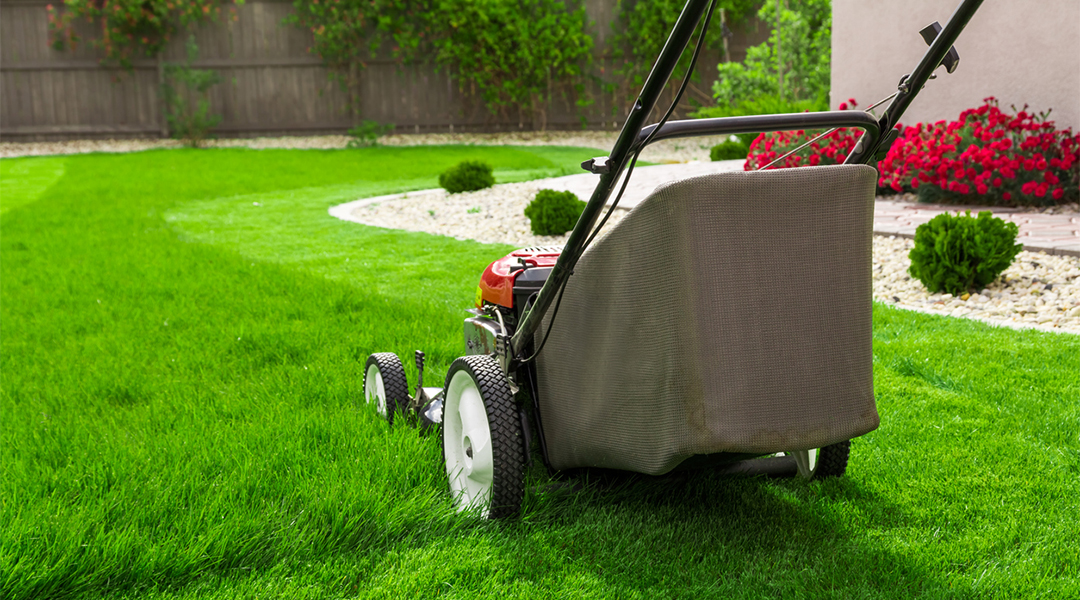
Maintaining a beautiful lawn can be a source of pride for homeowners, but traditional lawn care practices often rely heavily on synthetic chemicals that can harm the environment and impact human health. Organic lawn care presents a sustainable alternative, focusing on natural methods to promote a healthy, vibrant lawn. This comprehensive guide explores the numerous benefits of organic lawn care and provides best practices for creating an eco-friendly landscape.
Benefits of Organic Lawn Care
- Environmental Health
Organic lawn care practices are designed to enhance the natural ecosystem rather than disrupt it. By avoiding synthetic fertilizers and pesticides, you contribute to reducing chemical runoff, which can pollute local waterways and harm aquatic life. Organic methods improve soil health and biodiversity, fostering a more balanced environment. - Improved Soil Quality
Organic practices emphasize the importance of healthy soil as the foundation of a thriving lawn. Techniques such as composting, mulching, and crop rotation enrich the soil with organic matter, enhancing its structure and nutrient content. Healthy soil promotes better drainage, root development, and resistance to disease, resulting in a robust lawn. - Enhanced Plant Health
Grass and plants nurtured with organic materials tend to be healthier and more resilient. By focusing on natural fertilizers and pest control methods, your lawn develops stronger roots and improved tolerance to environmental stresses such as drought, pests, and diseases. This resilience leads to a lush, green lawn that can withstand adverse conditions. - Safety for Children and Pets
One of the significant advantages of organic lawn care is its safety. Synthetic chemicals pose potential risks to children and pets, who often play and roam freely in the yard. By opting for organic products and practices, you can create a safe outdoor environment without harmful residues or toxins. - Long-term Cost Savings
Although organic lawn care may require an initial investment in organic fertilizers and pest control solutions, it can lead to long-term cost savings. Healthier soil and plants result in reduced need for costly chemical treatments and less frequent lawn repairs. Additionally, a vibrant lawn can increase your property’s value, providing a return on your investment.
Best Practices for Organic Lawn Care
- Soil Testing
Before implementing any organic lawn care practices, conduct a soil test to assess its current condition. A soil test will reveal nutrient levels, pH, and organic matter content, enabling you to make informed decisions regarding amendments and treatments tailored to your lawn’s specific needs. - Composting
Creating a compost pile is one of the best practices for enriching your lawn naturally. Composting organic kitchen waste, yard debris, and other biodegradable materials not only reduces landfill waste but also produces a nutrient-rich amendment for your lawn. Spread compost on your lawn in the spring and fall to improve soil health and provide essential nutrients. - Natural Fertilizers
Instead of synthetic fertilizers, use organic options such as compost, manure, or fish emulsion. These natural fertilizers release nutrients slowly, promoting steady growth without the risk of chemical buildup. Aim to apply organic fertilizers in the spring and fall to support healthy grass growth and enhance soil fertility. - Mulching
Mulching is a highly effective method for maintaining soil moisture and suppressing weeds. Use grass clippings, shredded leaves, or straw as mulch around your lawn and garden beds. This practice helps retain moisture, provides nutrients as the mulch breaks down, and reduces the need for chemical herbicides. - Integrated Pest Management (IPM)
Implementing an integrated pest management approach is essential for organic lawn care. IPM combines various strategies, such as encouraging beneficial insects, using physical barriers, and applying natural pesticides when necessary. Regular monitoring of pest activity allows you to intervene early, minimizing damage while protecting beneficial organisms. - Mowing Techniques
Proper mowing techniques play a vital role in organic lawn care. Keep your mower blades sharp to ensure clean cuts, and avoid cutting the grass too short. Aim to maintain a height of 2.5 to 4 inches, depending on the grass type. Taller grass shades the soil, promoting moisture retention and reducing weed growth. - Watering Wisely
Irrigation practices significantly affect lawn health. Water your lawn deeply and infrequently to encourage deep root growth. Early morning is the ideal time to water, allowing the grass to absorb moisture before the heat of the day evaporates it. Avoid overwatering, as this can lead to shallow root systems and increased susceptibility to disease. - Reseeding and Overseeding
To maintain a lush lawn, regularly overseed with an organic grass seed blend. This practice helps fill in bare patches and improves overall lawn density. Fall is typically the best time for overseeding, as the cooler temperatures and increased rainfall create ideal growing conditions.
Conclusion
Embracing organic lawn care offers a sustainable approach to maintaining a beautiful lawn while promoting environmental health and safety. By understanding the benefits and implementing best practices such as composting, using natural fertilizers, and adopting integrated pest management, homeowners can cultivate a vibrant lawn that thrives naturally. With patience and dedication, your organic lawn can become a stunning green oasis that enriches your home and community while preserving the planet for future generations.