The Role of Mulch in Your Garden
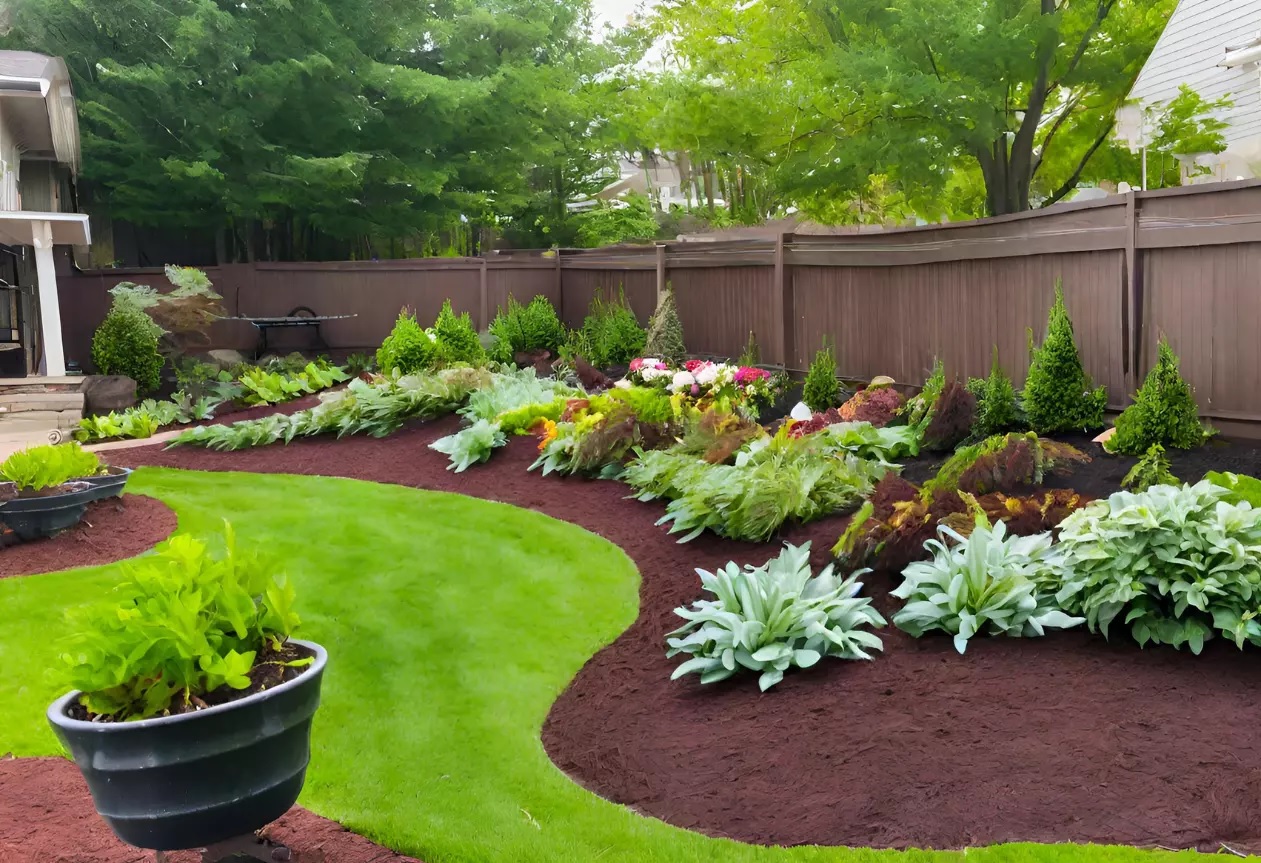
Mulch is often an overlooked but essential element in gardening, playing a crucial role in the health and productivity of your plants. Whether you are a seasoned gardener or a novice, understanding the benefits and uses of mulch can significantly enhance the vitality of your garden. This article explores the various types of mulch, its benefits, and practical applications to ensure that your garden flourishes.
What Is Mulch?
Mulch refers to any material applied to the surface of the soil in your garden. It can be organic, such as wood chips, straw, and shredded leaves, or inorganic, including stones, plastic, and rubber. Regardless of the type, mulch serves several vital functions in the garden ecosystem, impacting everything from soil health to plant growth.
Benefits of Using Mulch
- Moisture Retention
One of the primary roles of mulch is to retain soil moisture. When applied correctly, mulch reduces evaporation from the soil surface, ensuring that your plants have access to the water they need to thrive. This is particularly beneficial during hot, dry spells, when moisture can quickly diminish. By maintaining consistent soil moisture, mulch helps reduce the frequency of watering, making it a water-efficient option for gardeners.
- Weed Suppression
Weeds compete with your plants for essential resources, including water, nutrients, and sunlight. A thick layer of mulch can effectively suppress weed growth by blocking sunlight and preventing weed seeds from germinating. This not only saves you time and effort spent on weeding but also helps maintain a healthier garden environment by reducing competition for resources.
- Soil Temperature Regulation
Mulch plays a crucial role in regulating soil temperature. It acts as an insulator, keeping the soil cooler during hot weather and warmer during colder months. This temperature moderation can create a more stable environment for plant roots, promoting better growth and overall health. For instance, using mulch in the spring can help warm the soil more quickly, encouraging early seed germination.
- Nutrient Enrichment
Organic mulches, such as wood chips, bark, or straw, break down over time, enriching the soil with essential nutrients as they decompose. This slow release of nutrients not only improves soil fertility but also enhances soil structure, fostering a healthier ecosystem for beneficial microorganisms and earthworms. The addition of organic matter helps improve soil aeration and drainage, contributing to a more robust growing environment.
- Erosion Control
Mulch can help prevent soil erosion, especially on slopes or areas prone to heavy rain. By covering the soil surface, mulch protects against the impact of raindrops and wind, which can displace soil and lead to nutrient loss. This protective layer maintains the integrity of your garden beds and helps preserve the nutrient-rich topsoil.
- Aesthetic Appeal
In addition to its functional benefits, mulch can significantly enhance the visual appeal of your garden. With a variety of colors, textures, and materials available, mulch can complement your plants and landscaping, creating a polished and cohesive look. Using decorative stones or colored bark can add a stylish touch to garden paths and flower beds.
Types of Mulch
Understanding the different types of mulch can help you choose the best option for your garden’s specific needs.
- Organic Mulch: This includes materials like shredded bark, wood chips, straw, grass clippings, and leaves. Organic mulch enriches the soil as it decomposes and supports a healthy ecosystem.
- Inorganic Mulch: Materials such as gravel, pebbles, or landscape fabric fall under this category. While inorganic mulches do not contribute nutrients to the soil, they effectively suppress weeds and provide long-lasting coverage.
- Living Mulch: Some gardeners use low-growing plants as living mulch. These plants can suppress weeds, retain moisture, and provide ground cover, while also benefiting from the added protection of larger plants.
How to Apply Mulch Effectively
To maximize the benefits of mulch, it’s important to apply it correctly:
- Prepare the Soil: Before applying mulch, remove any weeds or debris from the area. Tilling the soil lightly can also improve aeration.
- Choose the Right Depth: Apply mulch to a depth of 2 to 4 inches, depending on the type of material used. Too much mulch can suffocate plants, while too little may not provide adequate benefits.
- Keep Mulch Away from Plant Stems: To prevent rot and pest issues, maintain a gap of a few inches between the mulch and the stems of plants. This allows for proper airflow and reduces the risk of disease.
- Replenish Regularly: Organic mulch will decompose over time, so it’s essential to replenish it as needed. Monitor the depth of your mulch and add more to maintain its effectiveness.
Conclusion
The role of mulch in your garden cannot be overstated. Its numerous benefits—ranging from moisture retention and weed suppression to temperature regulation and aesthetic enhancement—make it a vital component of any successful gardening strategy. By understanding the types of mulch available and implementing best practices for application, you can create a thriving garden that not only meets your aesthetic desires but also supports healthy plant growth. Embrace the art of mulching and watch your garden flourish like never before.