The Impact of Color in Carpet and Rug Selection: How to Choose the Right Hue for Your Home
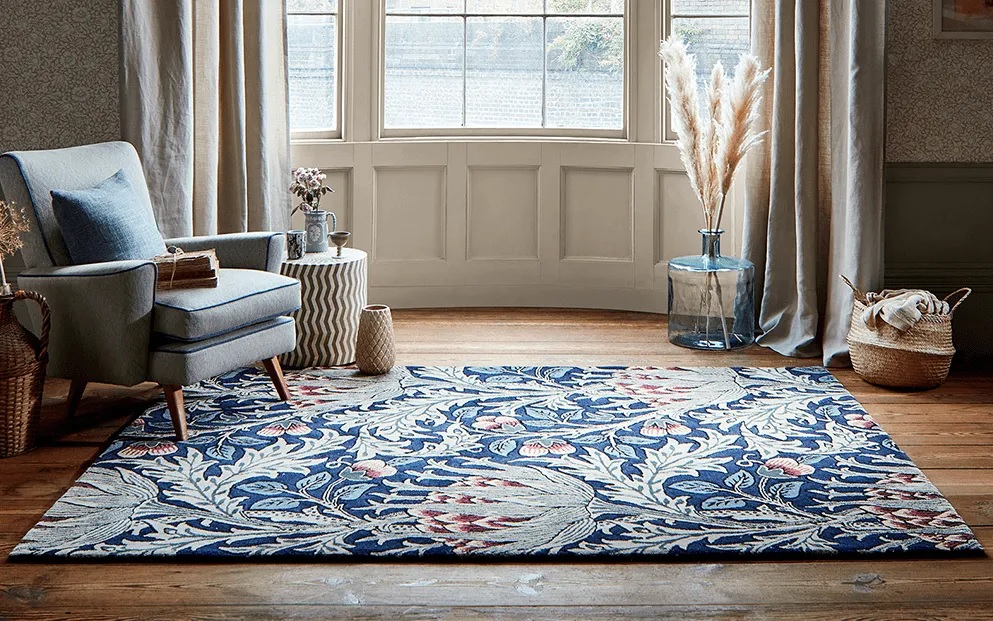
When it comes to designing your home, the choice of colors plays a crucial role in setting the mood and tone of a room. One of the most impactful elements in achieving the desired aesthetic is the selection of carpets and rugs. These floor coverings can significantly influence a room’s overall feel, adding warmth, contrast, or harmony. With so many colors and patterns to choose from, it’s essential to understand how color affects the atmosphere of your space and how it complements the rest of your interior design. This guide explores the powerful impact of color in carpet and rug selection and offers tips on choosing the right hue for your home.
1. Understanding the Psychology of Color
Before diving into practical considerations, it’s important to grasp the psychology behind color. Different colors evoke distinct emotions and reactions, which can drastically alter how a room feels. For example, warm tones like red, orange, and yellow are often associated with energy, warmth, and enthusiasm. These colors can make a space feel inviting, cozy, and even stimulating, making them great choices for spaces like living rooms and dining areas where activity and conversation are frequent.
In contrast, cool tones such as blue, green, and purple are known for their calming and serene effects. These hues are ideal for spaces designed for relaxation, such as bedrooms or home offices. Neutral shades like beige, gray, and white can create a sense of balance and timelessness, providing a versatile base that allows other elements of the room to shine.
Understanding the emotional impact of colors is the first step in choosing a carpet or rug that suits the mood you wish to create in your space.
2. How Color Affects Room Size and Perception
The color of your carpet or rug can also influence the perception of the size and layout of the room. Darker shades, like deep browns, navy, or charcoal, tend to make a room feel more intimate and grounded. These colors can visually shrink a large, open space, making it feel cozier and more enclosed. However, in smaller rooms, dark colors may have the opposite effect, potentially making the space feel even more cramped or closed off.
On the other hand, lighter shades such as light gray, cream, or soft pastels can create the illusion of more space. These colors reflect more light and can make a room appear larger and airier, which is particularly useful in smaller rooms or spaces with limited natural light. If you’re aiming to open up a compact area, light-colored carpets and rugs can significantly enhance the sense of space.
Moreover, strategic placement of rugs can also impact the flow of the room. For example, a large rug placed under the furniture grouping can help define the space, making it feel more organized, while smaller rugs can be used to segment different areas within an open-plan space.
3. Complementing Your Existing Color Scheme
When selecting a carpet or rug, it’s essential to consider the existing color scheme of your room. You want your new floor covering to complement—not clash with—the colors already present in your furniture, walls, and decor. One approach is to choose a rug that incorporates some of the key colors already present in the space. For instance, if your room features a neutral color palette, a rug with vibrant hues or patterns can serve as a focal point, adding energy and interest.
Alternatively, if you prefer a more subtle aesthetic, choose a carpet or rug in a color that harmonizes with the tones of your furniture and walls. Soft neutrals, earth tones, or muted colors can tie the elements of a room together, creating a cohesive and sophisticated look.
For those who enjoy bold contrasts, using a rug with a striking, contrasting color—like a black and white rug in a room full of warm tones—can add drama and visual intrigue. The key to success with contrast is ensuring the rest of the room balances the boldness of the rug, whether through accessories, artwork, or complementary furniture choices.
4. Creating a Focal Point with Color
One of the most effective ways to use color in your carpet or rug selection is by creating a focal point in the room. This is especially important in large spaces, where a bold rug can draw attention to the center of the room and create a sense of cohesion. For example, an eye-catching rug in a bold color or striking pattern can anchor a seating area, making it the central gathering spot in the room.
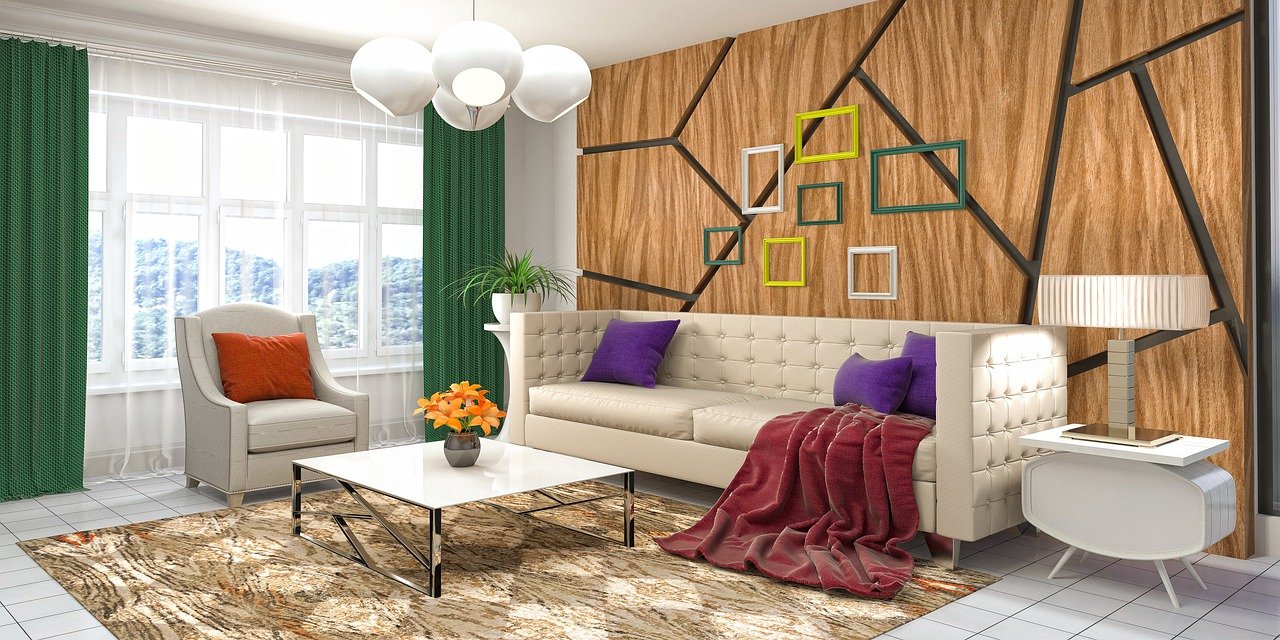
Bright, saturated colors like emerald green, cobalt blue, or ruby red are ideal for making a statement. If you want the rug to be the star of the show, choose a piece that introduces a pop of color or an exciting pattern that contrasts with the more subdued tones of the furniture and walls. This approach works well in spaces where you want to inject personality, energy, and vibrancy, such as living rooms, dining rooms, or entryways.
Conversely, if you prefer a more understated look, select a rug in a neutral tone that still provides texture and depth but doesn’t compete with other design elements. A subtle, monochromatic rug can serve as a grounding element, allowing other design features like art or furniture to take center stage.
5. Choosing Colors Based on Functionality
The functionality of a room should also play a significant role in your rug color choice. For high-traffic areas, like hallways, living rooms, or entryways, it’s wise to select a rug that is both practical and stylish. Darker colors or multi-tone patterns can help camouflage dirt and wear, making them ideal for spaces that see a lot of activity. Additionally, multi-patterned rugs can hide stains better than solid-colored options, making them an excellent choice for families or homes with pets.
For bedrooms or spaces where relaxation is the primary goal, light and airy colors are often the best option. Soft blues, grays, and pastels can promote a peaceful atmosphere, perfect for unwinding at the end of the day. These hues also tend to show less dirt, making them relatively low-maintenance for areas where you want to maintain a calm, serene vibe.
In rooms prone to spills, such as dining rooms or kitchens, opt for darker or patterned rugs, which can be more forgiving when accidents happen.
6. Cultural and Personal Preferences
Finally, it’s important to consider cultural influences and personal preferences when selecting rug colors. Different cultures associate colors with specific meanings and symbolism. For example, in some cultures, red signifies good fortune and prosperity, while in others, it may represent passion and energy. Understanding the cultural significance of color can help guide your choices, particularly if you wish to create a room that resonates with particular traditions or values.
Additionally, personal preferences play a significant role in choosing rug colors. If you gravitate toward certain colors in your clothing or artwork, it’s likely that those colors will resonate with you in your home as well. Trusting your instincts and selecting colors that feel authentic to your tastes will result in a space that feels truly personalized and reflective of your style.
7. Testing and Experimenting
Before committing to a particular rug color, always test it within the room to see how it interacts with the lighting, furniture, and other elements. Colors can look different depending on the time of day, the direction of natural light, and the materials around them. Place a rug sample in the space and observe how it complements the surroundings.
Experimenting with various color combinations and placements can help you find the perfect rug that ties the room together while creating the atmosphere you desire.
Final Thoughts
The color of your carpet or rug plays a pivotal role in shaping the atmosphere and function of your home. By considering factors such as the psychological impact of color, room size, existing decor, and functionality, you can make a well-informed choice that enhances the overall design of your space. Whether you’re aiming for a bold statement or a subtle complement to your furniture, the right color can transform your room into a stylish, harmonious, and inviting environment. With thoughtful consideration, your rug selection can become a central element of your interior design, adding both aesthetic value and emotional resonance to your home.