Understanding the Environmental Impact of Carpeting: A Closer Look at Sustainability and Choices
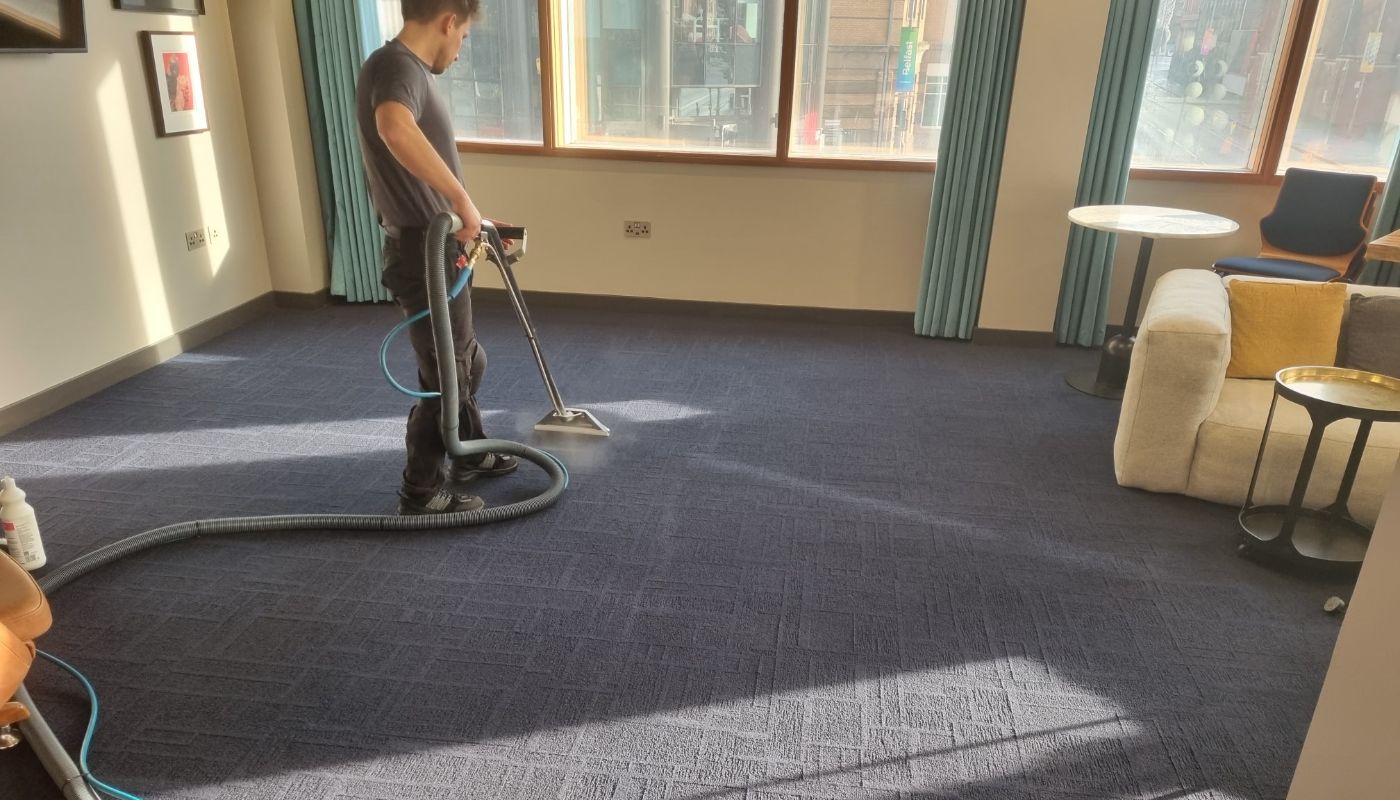
Carpeting has been a staple in homes and businesses for decades, offering warmth, comfort, and aesthetic appeal. However, behind the soft textures and rich colors lies an environmental footprint that few consider. From raw materials to disposal, each phase of a carpet’s lifecycle contributes to ecological impact. Understanding these effects is essential for making informed, eco-conscious choices. This article explores the environmental implications of carpeting, examining materials, production processes, lifespan considerations, and sustainable alternatives to help consumers make choices that reflect both style and responsibility.
1. The Raw Materials: Synthetic vs. Natural Fibers
Carpets are crafted from a variety of materials, each with a unique environmental profile. Generally, these materials can be grouped into two categories: synthetic and natural fibers.
- Synthetic Fibers: Most carpets are made from synthetic fibers such as nylon, polyester, and polypropylene, largely due to their durability and affordability. However, these fibers are petroleum-based, meaning their production relies heavily on fossil fuels. The extraction and refinement of oil contribute to greenhouse gas emissions, pollution, and habitat disruption. Additionally, synthetic fibers are not biodegradable, making them a long-term environmental burden once discarded.
- Natural Fibers: Carpets made from natural fibers like wool, sisal, and jute offer a more sustainable alternative. Wool, for example, is renewable and biodegradable, and its production has a lower carbon footprint. Sisal and jute, derived from plant sources, also biodegrade easily and require fewer chemical processes. However, even natural fiber production can have environmental effects, such as water usage in wool processing or deforestation for plant-based fibers. Nonetheless, natural fibers are generally a more sustainable choice when managed responsibly.
2. The Manufacturing Process: Energy and Emissions
The manufacturing of carpeting is an energy-intensive process that involves multiple stages, from fiber production to dyeing and backing attachment. Each stage has its own environmental implications.
- Energy Consumption: Synthetic carpet manufacturing requires a significant amount of energy. Factories often rely on non-renewable energy sources, further adding to their environmental footprint. Carpet production facilities generate large amounts of heat, contributing to global warming and air pollution.
- Chemical Use: Many synthetic carpets require chemical treatments for stain resistance, flame retardancy, and dye application. These chemicals can release volatile organic compounds (VOCs) into the air, which contribute to indoor air pollution and may harm human health. Additionally, some chemicals used in carpet manufacturing are persistent in the environment, potentially contaminating soil and water long after disposal.
- Waste and Byproducts: Manufacturing carpets produces substantial waste in the form of scraps, chemical byproducts, and emissions. While some manufacturers are now adopting waste reduction practices, the industry overall still has progress to make in reducing waste through more sustainable production techniques.
3. Transportation and Installation: Additional Environmental Costs
Once produced, carpets must be transported from factories to stores and then to consumers. This transportation involves fuel consumption and greenhouse gas emissions, especially if carpets are shipped over long distances. Furthermore, installation processes can contribute to environmental harm.
- Transportation Footprint: Carpeting is bulky and heavy, often requiring significant fuel for transportation. By choosing locally produced carpets or manufacturers that prioritize efficient logistics, consumers can reduce the environmental cost of transportation.
- Installation Impacts: During installation, many carpets are attached with adhesives that contain VOCs, contributing to indoor air pollution. Additionally, the padding used beneath carpets is often made from polyurethane foam, which is not biodegradable. Opting for low-VOC adhesives and eco-friendly padding can help minimize these impacts.
4. The Lifespan of Carpeting: Durability and Waste Concerns
A carpet’s environmental impact is also affected by its durability and how long it remains in use before disposal. Higher durability means less frequent replacement, reducing waste over time.
- Durability Factors: Wool and some high-quality synthetic carpets are known for their longevity, while cheaper carpets may need replacement more frequently. Choosing durable materials can extend the life of the carpet, reducing the need for disposal and lessening overall environmental impact.
- Landfill Accumulation: When carpets are discarded, they often end up in landfills, where synthetic fibers can take centuries to decompose. This long decomposition process contributes to landfill volume and the release of greenhouse gases as fibers eventually break down. Natural fiber carpets biodegrade more quickly, but carpets that incorporate synthetic backing or padding add to landfill accumulation.
5. Disposal Challenges: Recycling and Decomposition
Disposal is one of the greatest environmental challenges associated with carpeting. While some components of a carpet can be recycled, recycling programs for carpets remain limited.
- Recycling Complexities: Carpeting is often difficult to recycle due to its mixed materials, with different fibers, backings, and adhesives that complicate the recycling process. Only a small percentage of carpets are recycled, and the recycling process itself can be energy-intensive.
- Decomposition and Emissions: Synthetic carpets can take hundreds of years to decompose, releasing greenhouse gases during this slow process. Natural fiber carpets decompose more quickly, but they still pose challenges if mixed with synthetic materials. By selecting carpets with recyclable components or biodegradable materials, consumers can help mitigate waste issues.
6. Sustainable Choices: Reducing the Environmental Impact
As awareness of carpeting’s environmental impact grows, more manufacturers are offering sustainable options that aim to reduce the ecological footprint of carpet production and use.
- Eco-Friendly Carpets: Some manufacturers now offer carpets made from recycled materials, such as recycled nylon or PET (from plastic bottles). These carpets give new life to waste materials, reducing demand for virgin resources and lowering overall emissions. Additionally, carpets certified by third-party eco-labels (such as Cradle to Cradle, Green Label Plus, or Greenguard) meet specific environmental and indoor air quality standards.
- Modular Carpet Tiles: Carpet tiles, which can be individually replaced when worn, reduce waste by allowing consumers to replace only the affected sections rather than the entire carpet. This approach is particularly useful in high-traffic areas and can extend the life of the carpet as a whole.
- Natural and Renewable Fibers: Choosing carpets made from renewable fibers like wool, seagrass, or jute can reduce environmental impact. Wool carpets, for example, offer durability, renewability, and natural stain resistance. Look for wool carpets from sources that prioritize animal welfare and environmental sustainability.
- Maintenance Practices: Proper maintenance can also play a role in reducing the need for replacement. Regular cleaning, using non-toxic cleaning agents, and immediate stain removal can prolong a carpet’s life. Investing in high-quality padding can further protect the carpet, reducing the need for frequent replacements.
Embracing an Environmentally Conscious Approach
The environmental impact of carpeting spans from material sourcing to disposal, with each stage carrying implications for energy use, emissions, and waste. By understanding these factors, consumers are better equipped to make choices that align with sustainability goals. Selecting natural fibers, opting for eco-friendly certifications, and considering modular carpet solutions can all reduce the environmental footprint of carpeting while still enhancing the comfort and style of a space. Thoughtful decision-making in this area ensures that the beauty of carpeting doesn’t come at a high ecological cost.