Why Some Homes Feel Calm Even When the Street Is Busy
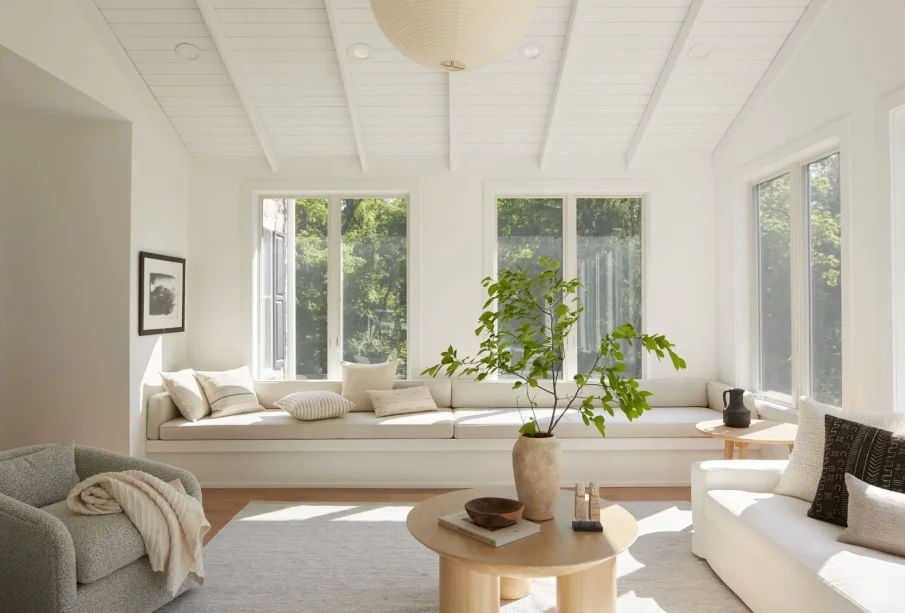
There are houses where outside activity fades into the background almost as soon as the door is closed. Traffic passes, neighbours come and go, weather changes, yet the interior feels steady. It’s often in contrast to that experience that Double glazing in Stirling becomes relevant, not as a feature, but as part of why certain homes feel easier to be in than others.
Calm inside a home isn’t created by silence alone. It’s shaped by how sound, temperature, and movement are moderated at the boundary between inside and out. When that boundary struggles, the outside world presses in more than people realise.
How Noise Shapes Daily Experience
External noise doesn’t always register as a problem straight away. It tends to blend into routine. Early morning traffic, passing conversations, doors closing nearby. Over time, this background sound influences behaviour. People raise their voices slightly. Concentration drifts more easily. Windows stay shut even when fresh air would be welcome.
What’s interesting is how quickly this changes when noise is reduced. People often notice the difference indirectly. Phone calls feel less tiring. Work feels easier in certain rooms. Sleep becomes less fragmented without a clear reason why.
Sound control isn’t about complete isolation. It’s about dampening unpredictability. When noise arrives at a lower, steadier level, it becomes less intrusive and easier to ignore.
Temperature Stability Supports Comfort
Temperature plays a similar role. Homes that fluctuate between warm and cool throughout the day tend to feel unsettled. People adjust layers, move between rooms, or avoid certain areas altogether. These behaviours become habitual, masking the underlying issue.
When temperatures stabilise, those habits fade. Rooms are used more evenly. Furniture placement becomes more flexible. Heating feels more effective even when settings remain unchanged.
This stability contributes to a sense of calm. The house feels cooperative rather than demanding. Comfort becomes the default rather than something that needs managing.
The Boundary Matters More Than the Interior
People often focus on internal finishes when thinking about comfort. Flooring, paint, lighting. While these matter, they sit downstream from the building’s ability to regulate what comes in from outside.
Sound, cold, and moisture all enter through the same points. When those points perform well, the interior benefits quietly. When they don’t, no amount of internal adjustment fully compensates.
This is why two homes with similar layouts can feel very different to live in. The difference isn’t always visible. It’s experiential.

Calm Is Noticed Only When It’s Missing
One of the reasons these changes are underestimated is that calm doesn’t draw attention to itself. People notice irritation far more easily than ease. When a home feels settled, it simply allows life to happen without friction.
Over time, that lack of friction affects how people use their space. They linger longer. They open windows without hesitation. They feel less need to retreat from certain rooms.
Homes that feel calm aren’t necessarily quieter or warmer by dramatic margins. They’re just more consistent. That consistency removes small stresses people had stopped noticing.
The absence of interruption often goes unremarked. But it’s usually the clearest sign that a home is working as it should.