Key Benefits of Professional Roof Refurbishment Services
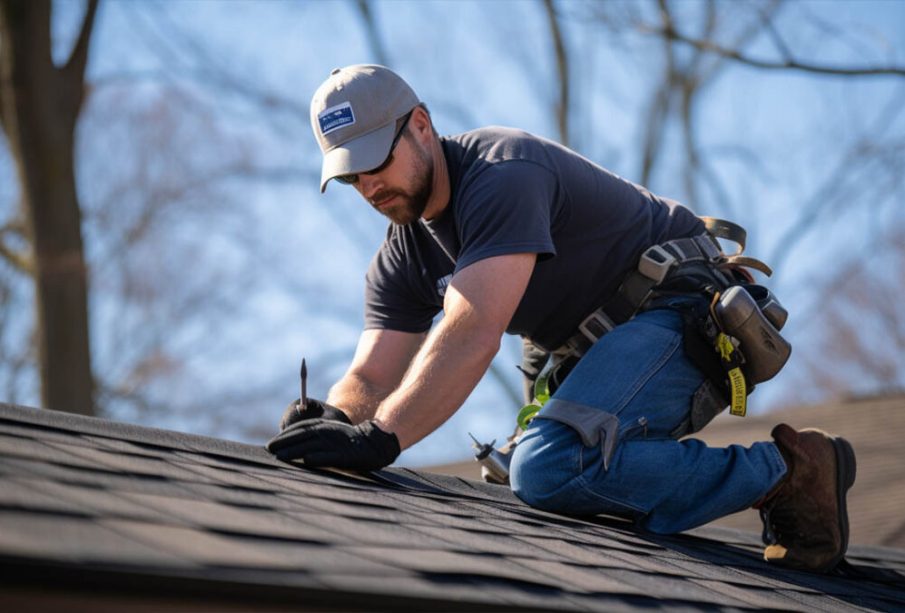
Maintaining a property in Australia presents unique challenges. From the scorching summer heat and intense UV radiation to sudden tropical storms and hail, the elements can take a severe toll on building exteriors. The roof, being the primary line of defence against these weather patterns, often bears the brunt of the damage. Over time, materials degrade, tiles crack, and protective coatings wear away. While complete replacement is an option, professional roof refurbishment offers a practical and often more sustainable alternative for extending the life of a structure.
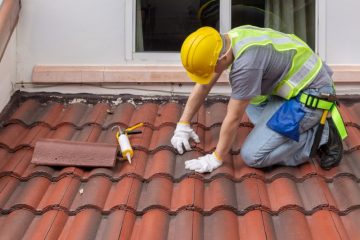
Refurbishment is not merely about fixing a leak; it is a comprehensive process designed to restore the roof’s integrity and functionality. Homeowners and facility managers often underestimate the complexity involved in this work. It requires a deep understanding of materials, safety protocols, and local building codes. While some might consider DIY patches, the expertise provided by established industry professionals, such as those at PRC Building Services ensures that the underlying issues are addressed rather than just the visible symptoms. This professional approach prevents minor problems from escalating into major structural failures down the track.
One of the most immediate advantages of refurbishment is improved energy efficiency. In many Australian homes, an old or damaged roof contributes significantly to heat gain in summer and heat loss in winter. Professional restoration often involves the application of reflective coatings or improved insulation layers. These modern materials reflect solar radiation, keeping the interior naturally cooler. This reduces the reliance on air conditioning systems, leading to lower electricity bills and a smaller carbon footprint. For commercial buildings with large roof surface areas, these energy savings can be substantial.
Beyond thermal performance, refurbishment dramatically enhances the aesthetic appeal of a property. A faded, moss-covered, or rusted roof can make even a well-maintained building look neglected. Restoration involves thorough cleaning, repair of damaged sections, and often a fresh application of paint or protective sealant. This facelift can significantly increase the market value of the property. For businesses, a clean and well-maintained exterior projects professionalism and care to clients and visitors. For homeowners looking to sell, street appeal is a major factor in attracting buyers.
Cost-effectiveness is another compelling reason to choose restoration over replacement. A full roof replacement is a massive capital expense, involving significant labour, material costs, and potential disruption to the building’s occupants. Refurbishment, by contrast, typically costs a fraction of the price. It focuses on salvaging the existing structure where possible, reinforcing weak points, and replacing only what is necessary. This extends the serviceable life of the roof by 10 to 15 years, providing excellent return on investment.
Safety and compliance are also vital considerations. Professional contractors are trained to work at heights and adhere to strict safety standards. They can identify hazardous materials, such as asbestos, which is still common in older Australian buildings. Attempting to clean or repair an asbestos roof without proper certification is illegal and dangerous. Professionals have the equipment and knowledge to manage these risks safely, ensuring the building remains compliant with current regulations.
Finally, refurbishment contributes to sustainability. By extending the lifespan of existing materials, we reduce the volume of construction waste ending up in landfill. Manufacturing new roofing materials consumes significant energy and resources. Therefore, choosing to restore rather than replace aligns with environmentally responsible building management practices.